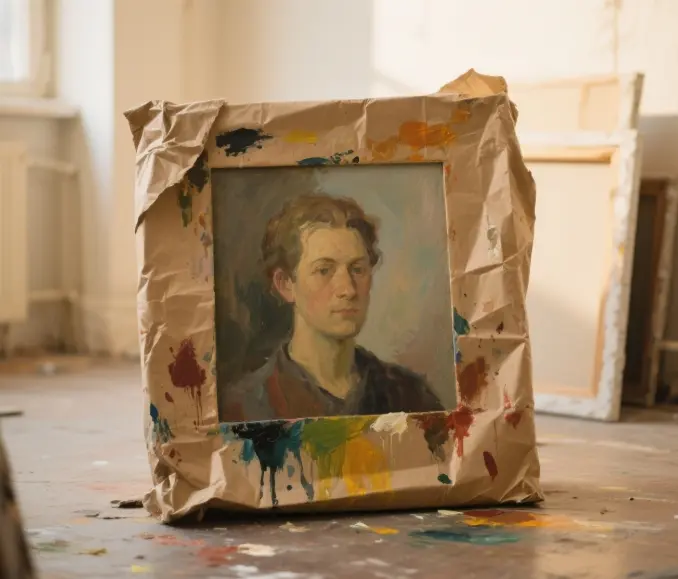
How to Remove Smoke Odor from Oil Paintings? The key is “light cleaning + slow deodorization + strong prevention.” First, brush off the surface soot. Then, use a mild solution to rub off the smoke stains gently. Finally, ventilate the area or use activated charcoal to absorb the odor, and if necessary, apply varnish to seal the area. The following are specific steps and precautions to help you safely remove the smoke odor while protecting the original appearance of the painting.
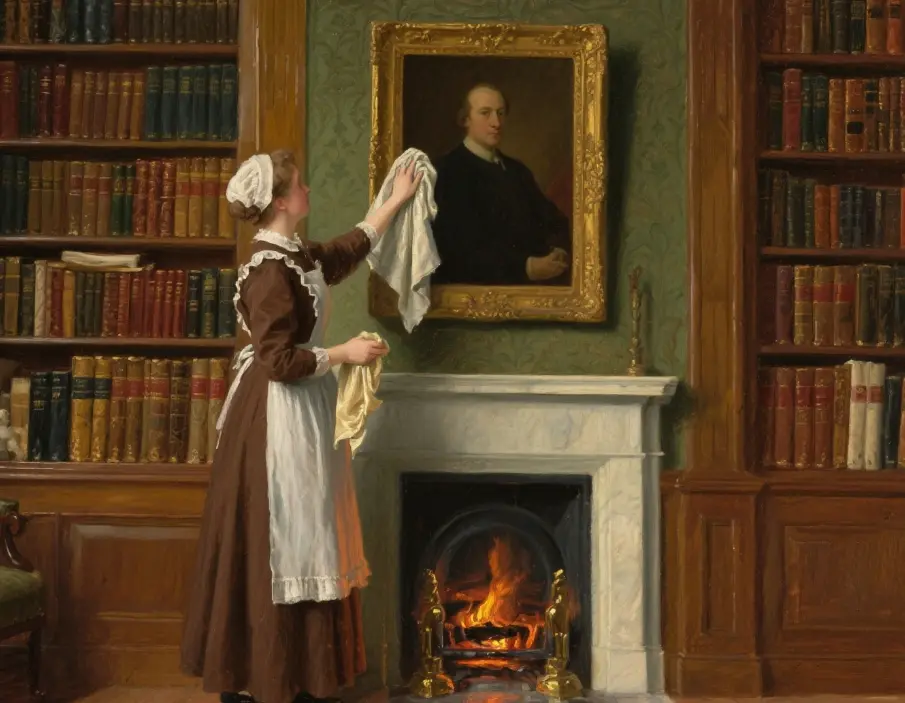
Smoke odor on oil paintings “invisible damage”: more than stink, but also ruins the painting
Smoke odor on oil paintings is actually the result of the combination of tar and dust from cigarettes and smoke with the surface layer of the picture (varnish or pigment). In the short term, it will make the painting become “sticky” (greasy feeling), ‘yellow’ (darkening of the original bright colors), and “stinky” (lingering odor); in the long term, it will form hard lumps (tar and dust bonding), and even penetrate the pigment layer, resulting in color shedding or picture cracking.
Must-do before cleaning: 2-step assessment to avoid “the more you rub, the worse it gets”
Before you do it, you must first assess the state of the painting. Fragile paintings should not be rubbed by hand.
- Table dry test: gently touch the picture with your finger (choose an inconspicuous corner). If the pigment layer is not loose or sticky (dry), you can continue. If your hand becomes sticky or the pigment starts to fall off, stop immediately and seek the assistance of a professional restorer.
- Judge the state of varnish: use oblique light (for example, table lamp from the side) to see the picture, there is uniform reflection of the varnish painting (the protective layer is complete), you can use mild wet wipe; no reflection of the painting is not varnished painting (pigment direct exposure), only dry brush or very light damp wipe (to avoid destroying the pigment).
Details of the specific method of cleaning smoke stains from oil paintings
Brush lightly to remove dust — first “sweep” away the soot on the surface.
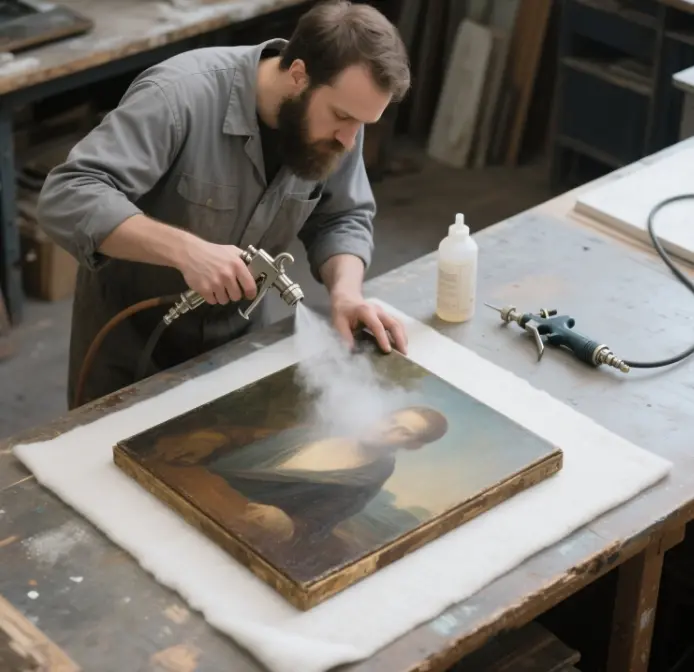
Use a clean, soft-bristled brush (such as a makeup brush, with bristles soft enough to gently touch the skin without sticking) and brush in one direction from top to bottom (avoid making circles) to gently brush away the loose soot and dust on the picture. Focus on the edges and corners of the frame (these places are most likely to accumulate dust), and don’t brush too hard, or you’ll rub the soot into the picture.
Gentle topical rubbing – to remove smoke stains
The root cause of the smell of smoke is tar sticking to the picture, so target rubbing is used to remove smoke stains, but not with strong solvents (which will dissolve the paint).
- Make a cleaning solution: add one drop of neutral soap (e.g., baby soap, olive oil soap) to 100 ml of distilled water (or purified water) and stir to make a dilute solution that “barely foams” (too strong and it will leave soap stains).
- Localized rubbing of smoke stains: Dip a fine cotton swab (a medical swab with a small head) into a small amount of cleaning solution and gently roll it around to rub the area that smells of smoke (e.g., the middle of the picture, the side near the smoker). Note: Rub only the areas with smoke stains, not the whole picture; change the cotton swab every time you rub (to avoid taking the dirt elsewhere).
- To “finish” after rubbing: dip a clean cotton swab in distilled water and roll the area you just rubbed again to clean up any soap residue (otherwise you’ll be left with a white mark). Then use a dry cotton swab to gently wipe away the surface (don’t press too hard) and let the painting dry naturally (avoid using a hair dryer, as it can cause the canvas to shrink).
Total deodorization — let the smell of smoke disappear!
After rubbing the smoke stains, the picture still has a faint smell of smoke? You can use these two methods:
- Ventilation method: put the painting in a cool, ventilated place (such as a balcony, living room window), dry it for 3-5 days (avoid direct sunlight, which will fade the color), and let the natural wind blow away the residual odor.
- Activated charcoal: Place 2-3 packs of activated charcoal (or bamboo charcoal packs) next to the painting, wrapped in breathable gauze (don’t touch the picture directly). The activated charcoal will adsorb the smoke odor in the air. Every 1 day, take the activated charcoal to the sun (to restore the adsorption capacity), and continue using it for 1 week or so; the smell of smoke is basically gone.
Oil painting to remove the smoke odor agent, material selection, and precautions
Don’t use strong solvents such as alcohol or acetone: these will dissolve the paint layer of the painting (e.g., red paint will be wiped off by alcohol and turn white), and even damage the varnish layer (making the surface of the painting blurry).
Don’t wash the whole painting wet: if you soak the painting in water or wipe the entire painting with a damp towel, the water will penetrate the canvas and make the canvas swell (like soaked paper), the pigment will peel off, and it will also become moldy (the picture will grow green hairs).
Don’t rub hard: whether you use a cloth or a cotton swab, be “light” – rubbing hard will scrape off the pigment (like the eyes of a figure in the picture, which may be wiped out) and leave scratches.
Don’t cover it up with a scent: some people spray perfume or air freshener to mask the smell of smoke. However, the result is that the scent mixes with the smell of smoke, making it even worse, and the chemicals in the perfume can harm the picture.
After we cleaned with the prevention of oil painting, the recurrence of the smoke odor was reduced.
For the varnish closure: If the painting has not been varnished, consider consulting a professional restorer to apply a reversible varnish layer (i.e., a varnish that can be removed later). Varnish will form a layer of “protective film” on the surface of the picture, and next time there is a smell of smoke or dust, wipe off the varnish layer, which won’t harm the pigment.
Keep away from smoke + purify the air:
- Don’t hang the painting in the kitchen or smoking room (for example, next to the sofa in the living room, where someone often smokes), as this will prevent smoke from floating directly onto the painting.
- Put an air purifier in the room (with activated charcoal cartridges), and open the window regularly to ventilate the room (1-2 times a day, each time for 30 minutes), so as to reduce the tar and dust in the air;
- Regularly brush the picture with a soft-bristled brush (e.g., once a month) to remove dust that has accumulated and prevent further accumulation. Periodically brush the screen with a soft brush (e.g., once a month) to remove dust and to avoid accumulation.
When must I call a professional restorer?
- If your painting has any of the following conditions, don’t do it yourself; call a professional restorer (e.g., restoration departments of art museums, specialized art restoration companies):
- Thick smoke stains: embossed black-brown lumps on the picture (the tar has stuck to the painting so firmly that it can’t be wiped off);
- Severe yellowing: bright colors have turned into yellowish-brown (e.g., blue skies have turned into grey, red flowers have turned into brown);
- Sticky oil: the picture is sticky to the touch (indicating that tar has penetrated the pigment layer). Old or valuable paintings, such as old oil paintings (over 50 years old, including famous works), are very fragile. (Sticky oil layer: the picture is sticky to the touch, indicating that the tar has penetrated the pigment layer);
- Old or high-value paintings: for example, old oil paintings (more than 50 years old), works by famous artists, the pigment layer of these paintings is very fragile, so it is easy to ruin them by rubbing them yourself.
Smoke odor on oil paintings is not a “terminal disease”; as long as you use the right method, you can safely remove it. The key is the word “light”: brush, rub, and handle lightly; don’t be greedy, and avoid using force.
Remember: prevention is more important than cleaning. Keep the painting in a clean, well-ventilated place, away from sources of smoke. Clean the ash regularly to keep the painting fresh and free from the smell of smoke.
If you’re unsure how to proceed, consider consulting a professional restorer – after all, a valuable painting can never be restored if it’s ruined.
I hope this article is helpful to you. The oil painting in the “smoke flavor” can help drive away the old painting’s charm, allowing it to reemerge with a new charm.