The Development of Famous Acrylic Painting in the United States
In the 1950s, famous acrylic paintings began to gain popularity in North America. This period coincided with the surge of new artistic thinking, particularly among the abstractionist painters represented by the New York School, who extensively used acrylic paint in their creations. By the 1960s, the popularity of acrylic paint in the United States had further increased, with painters such as Roy Lichtenstein and Andy Warhol serving as representative figures, setting off a Pop Art trend that integrated fine art with pop culture.
One of the most expensive acrylic paintings is worth.
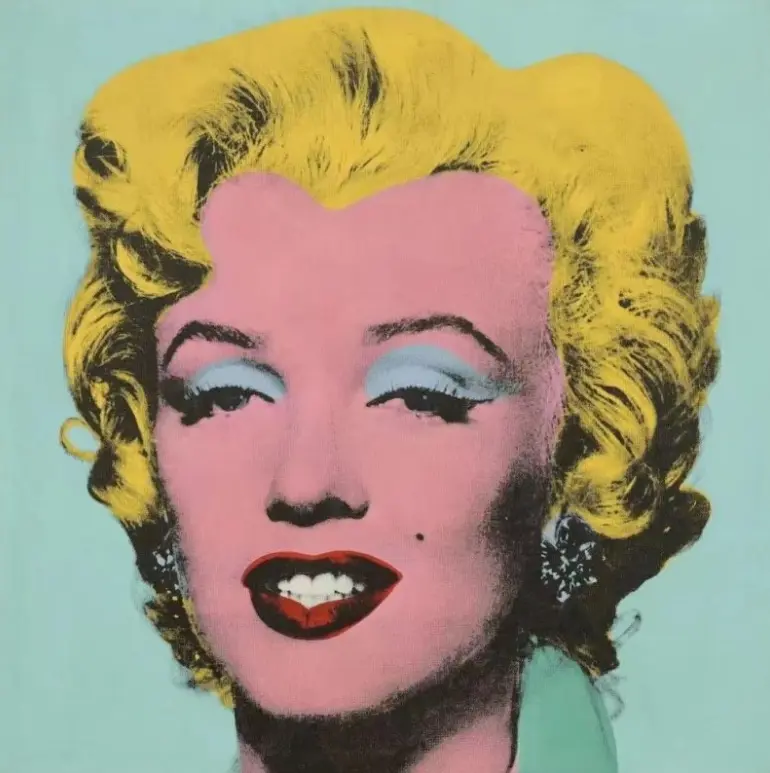
Gunning for Marilyn (Sage Blue) by Andy Warhol is one of the most expensive and famous acrylic paintings in the history of auctions. In 1964, Warhol used Marilyn Monroe as a subject for five works, including Gunning for Marilyn (Sage Blue), which featured a completely new method of colorization using a positive acetate plate that cleverly combined acrylic paint with screen printing techniques. Combination.
On May 16, 2022, the work was sold at auction for $1.312 billion, the highest price ever recorded for an acrylic painting at auction. Not only is this piece one of Warhol’s most iconic works, but it is also a quintessential example of Pop Art, exemplifying the complex relationship between pop culture and high art.
Another of Warhol’s masterpieces, the Marilyn Monroe series, is also valuable. In the 2022 auction, all of these works sold for hundreds of millions of dollars, demonstrating the market’s high regard for Warhol’s famous acrylic paintings.
The 10 most famous acrylic paintings in the world
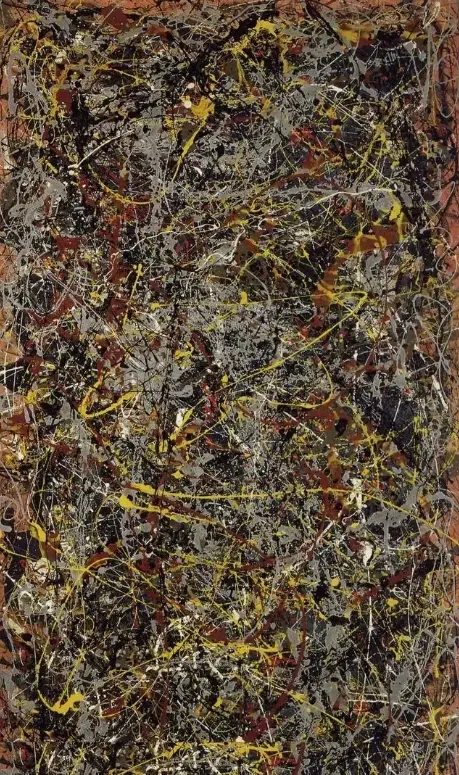
1. Jackson Pollock’s No. 5 (1948)
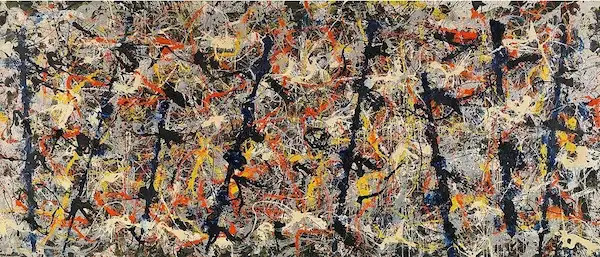
No. 5 is one of Pollock’s masterpieces, which uses acrylic paints in yellow, white, black and maroon colors. Pollock laid the canvas on the ground and dipped a large, flat brush into the acrylic paint, dripping it onto the canvas or squeezing the acrylic paint directly onto the canvas from a tube, creating a unique “drip painting” effect. This work revolutionized people’s perception of abstract art, demonstrating the creative possibilities brought about by the fluidity and fast-drying characteristics of acrylic paint.
2. Andy Warhol, Marilyn Monroe (1967)
Warhol created nearly thirty works on Marilyn Monroe, repetitive images that recreated Monroe’s former glory and her media exposure. In 1964, Warhol used Marilyn Monroe as a subject for five works, including Gunshot Marilyn (Sage Blue), which used a completely new method of colorization. Using a positive acetate plate, the work skillfully combines acrylic paint with screen-printing techniques. Among other things, Gunshot Marilyn (Sage Blue) was auctioned in 2022 for $1.312 billion, making it one of the most expensive works of art in auction history.
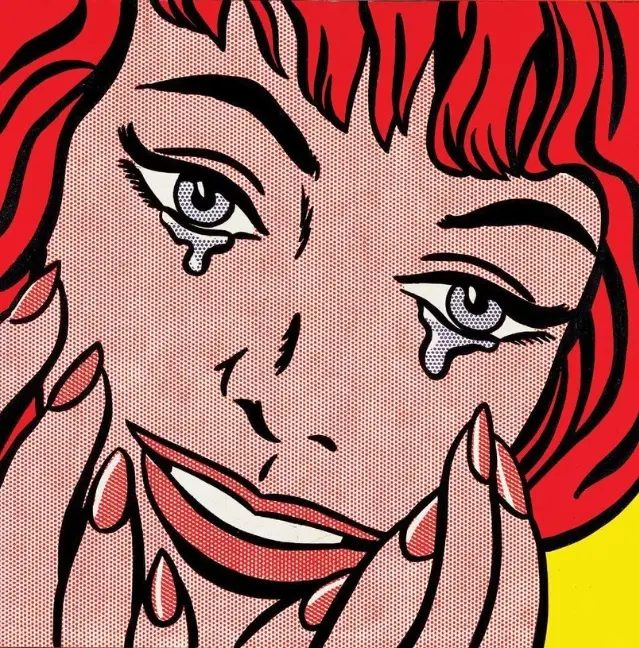
3. Roy Lichtenstein Tears of Joy (1964)
Tears of Joy is one of Lichtenstein’s masterpieces, completed using Magna brand acrylics on canvas, measuring 96.5 cm x 96.5 cm. This work demonstrates Lichtenstein’s distinctive Pop Art style, which enlarges the elements of comic strips, presenting them in vibrant colors and flat paint with thick black lines. In this way, Lichtenstein transforms mundane images from daily life into works of artistic value.
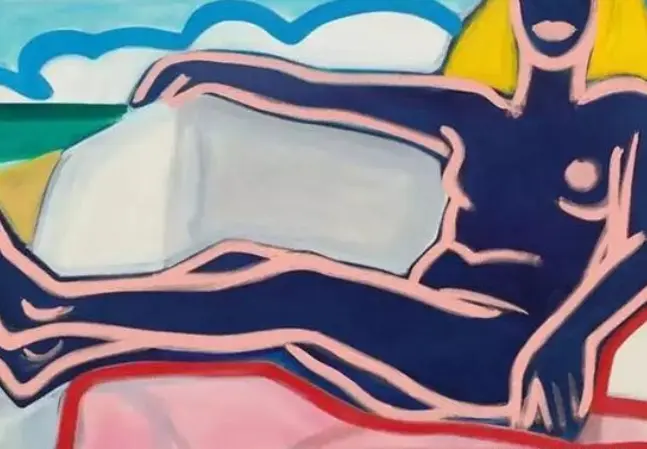
4. Tom Wesselmann, Great American Nude #42 (1962)
Great American Nude #42 is one of Wesselmann’s most iconic series, in which he explores the human form with bold colors and provocative compositions. The work was sold at Sotheby’s London on February 10, 2014, for $2.4 million (estimate $1.06 million to $1.4 million), demonstrating the artistic value and market recognition of Wesselmann’s work.
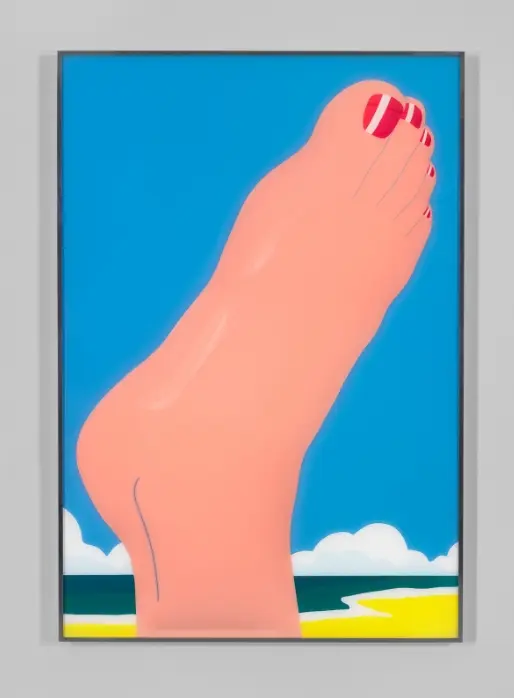
5. Tom Wesselmann Seascape No. 15 (1967)
Seascape No. 15 is another of Wesselmann’s masterpieces, painted using thermoformed acrylics and measuring 65 x 45 inches. This work showcases Wesselmann’s distinctive interpretation of landscape painting, highlighting the fluidity and expressive color of acrylic paint.
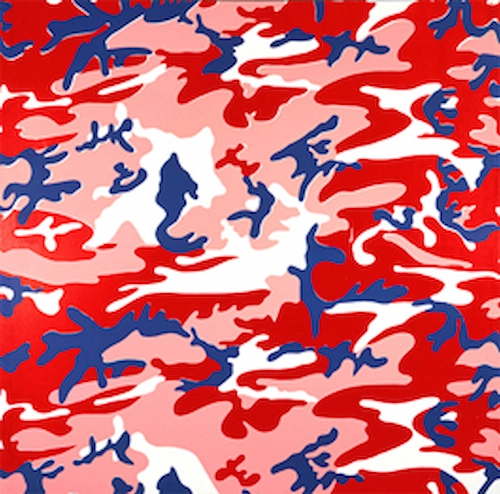
6. Andy Warhol Camouflage (1986)
Camouflage is one of Warhol’s late masterpieces, created using acrylic on canvas and silkscreen ink techniques, and measuring 203.2 x 203.2 cm. This work demonstrates Warhol’s continued focus on pop culture elements and his innovative attempts at different artistic methods.
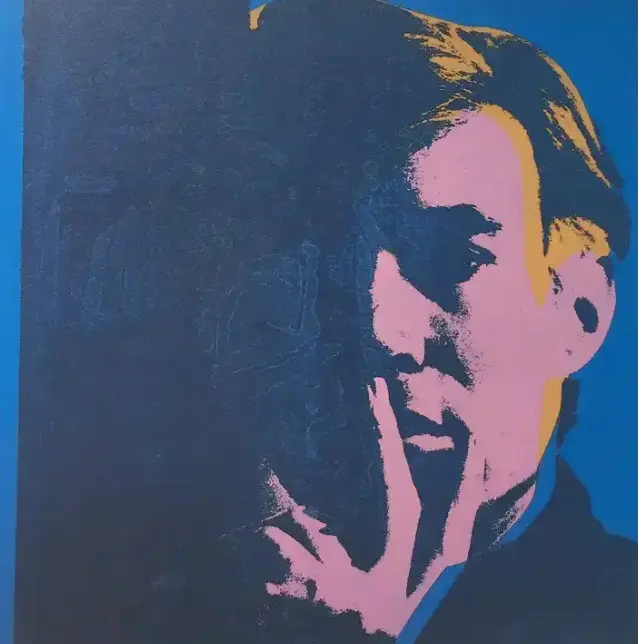
7. Andy Warhol, Self-Portrait (1978)
Self-Portrait is Warhol’s self-portrait work, created using the acrylic and silkscreen ink on canvas technique, measuring 101.6 × 101.6 cm. The piece demonstrates how Warhol combined his image with elements of Pop Art to create a unique visual effect.
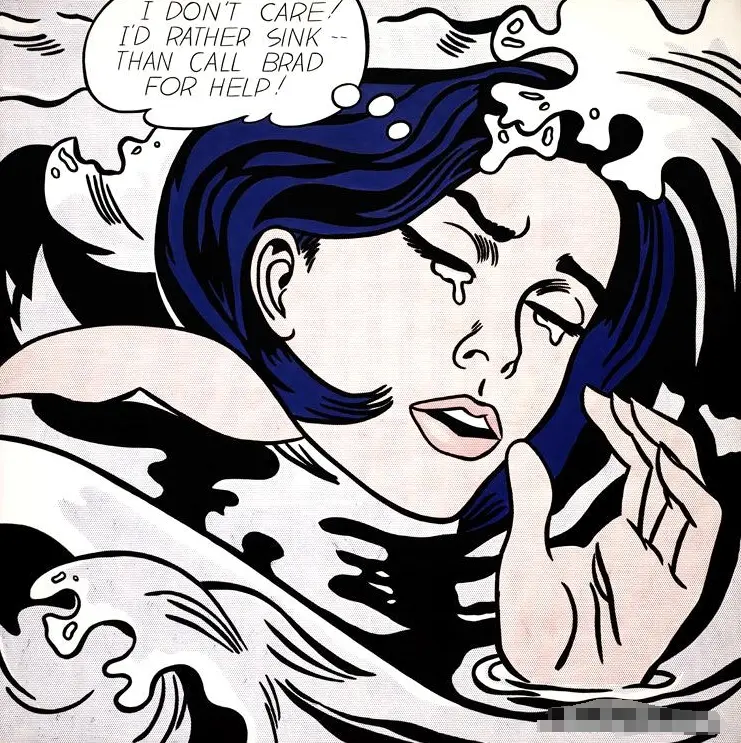
8. Roy Lichtenstein Drowning Girl (1963)
Drowning Girl is one of Lichtenstein’s masterpieces, adapted from the protagonist of DC Comics’ Secret Heart #83, drawn by Tony Abruzzo. Using oil and acrylic paints, the piece measures 172.7 cm x 172.7 cm and demonstrates how Lichtenstein transforms comic book elements into works of artistic value.
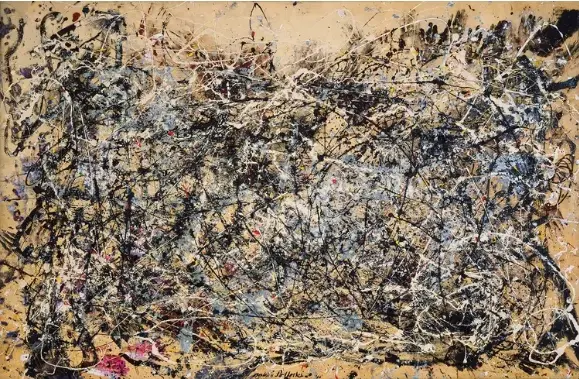
9. Jackson Pollock “No. 30: Summer 1950”
“No. 30: Summer 1950” is another masterpiece by Pollock, created using acrylic paint on canvas. This work demonstrates the typical characteristics of Pollock’s “action painting”, in which paint is dripped, sprinkled, and flung to form complex patterns and textures on the canvas. 10.
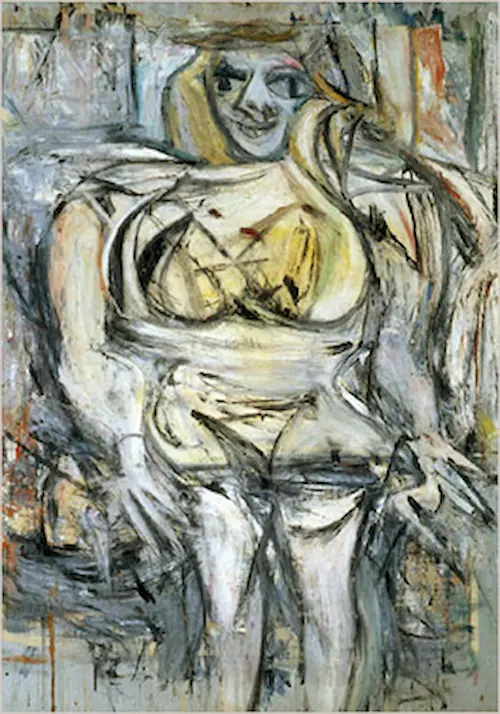
10. Willem de Kooning, Woman III (1953)
Woman III is one of de Kooning’s masterpieces, created using acrylic paint on canvas. This work shows how de Kooning combined elements of Abstract Expressionism with figurative images to create a unique visual effect. De Kooning’s paintings are typically characterized by strong movement and expression, and he utilizes the properties of acrylic paint to create unique visual effects.
Famous Acrylic Painting Artists in History
Jackson Pollock
Jackson Pollock is one of the earliest artists to use acrylic paint, often regarded as a representative of the “action painting” movement. His “drip painting” technique created a unique way of famous acrylic painting, in which the canvas is laid on the ground and a large flat brush is dipped in acrylic paint and dripped onto it, or acrylic paint is squeezed directly onto the canvas in a tube, which is known as “drip painting”. His masterpiece, No. 5 (1948), was created using acrylic paint and features colors of yellow, white, black, and maroon.
Pollock’s work revolutionized the perception of abstract art. Without the fluidity and quick drying characteristics of acrylic, Pollock may not have been able to create his famous drip paintings.
Andy Warhol
Andy Warhol was the initiator and main representative of the Pop Art movement in the 1960s, and he made extensive use of acrylic materials, promoting the development of famous acrylic paintings. Several of Warhol’s representative works in the Marilyn Monroe series used acrylic paint.
Warhol also created a series of works called “Piss Paintings”, in which he used copper-containing acrylic paint to lay out the canvas beforehand, and then injected urine paint to let uric acid oxidize with the copper powder, in order to deride Pollock’s abstract expression of paint dripping and pay homage to Duchamp’s urinal.
Another of Warhol’s masterpieces is Camouflage (1986), which features acrylic and silkscreen ink on canvas, measuring 203.2 x 203.2 cm. Additionally, Self-Portrait (1978) utilizes acrylic and silkscreen ink on canvas.
Roy Lichtenstein
Roy Lichtenstein is one of the key exponents of Pop Art, whose work extensively utilizes acrylic paint. Lichtenstein used bright colors, flat paint and thick black lines to magnify and “transpose” bland comic strip subjects with acrylic and oil paints.
His masterpiece, “Tears of Joy” (1964), measuring 96.5 cm x 96.5 cm, was created on canvas using Magna acrylics. Lichtenstein’s works systematically perceive the visual elements of popular culture and transform them into artistic expression, which is the core concept of Pop Art.
Tom Wesselman
Tom Wesselman is considered one of the greatest American artists of the 20th century, with a creative career spanning five decades. Wesselmann helped propel the Pop Art movement in the United States in the 1960s.
His masterpieces, the Great American Nude series, were created in acrylics, boldly exploring the representation of the human form and color. In addition, he created Seascape No. 15 (1967), a work made with thermoformed acrylics, measuring 65 x 45 inches.
Willem de Kooning
Willem de Kooning was a key representative of Abstract Expressionism, and he also extensively used acrylic paint in his work. De Kooning’s paintings are often filled with intense movement and expression, and he utilized the properties of acrylic paint to create unique visual effects.
Robert Motherwell
Robert Motherwell was another Abstract Expressionist artist who used acrylic paint. Together with Pollock, de Kooning and others, he explored the possibilities of acrylic paint, creating famous acrylic painting techniques such as dripping, flinging, dragging, squeezing, pressing and splattering.
Helen Frankenthaler
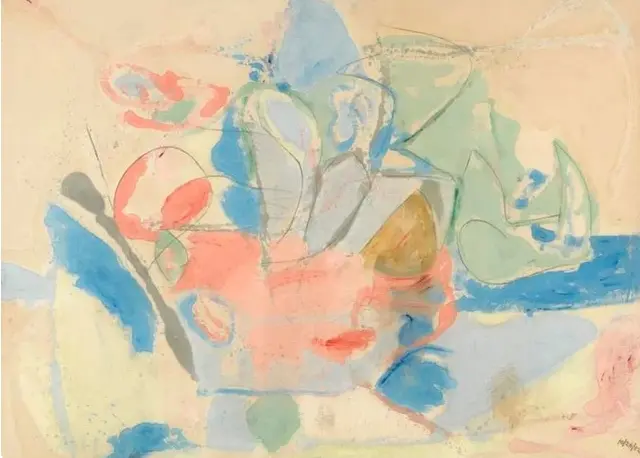
Helen Frankenthaler switched from oils to acrylics in 1962. Previously, she had been using paint thinned with turpentine to create her groundbreaking dip-dye paintings, but she was dissatisfied with the interaction of the paint with the unprimed canvas. After switching to acrylics, she was able to control the effect of paint flow and penetration on the canvas more effectively.
David Hockney
David Hockney, a renowned British painter of the late 1960s, also employed acrylics in his work. Hockney painted in a variety of styles, ranging from realistic to abstract, and he utilized the properties of acrylic paint to create unique visual effects.
Famous Abstract Acrylic Paintings
Jackson Pollock’s Drip Paintings
Jackson Pollock was one of the earliest artists to use acrylic paint, and among his drip paintings, No. 5 is a representative work. The colors on the canvas of this work are mainly yellow, white, black and maroon. By spreading the canvas on the ground and using a large flat brush dipped in acrylic paint to drip it on, or squeezing acrylic paint directly onto the canvas with a tube, a unique “drip painting” effect is created.
Pollock’s Abstract Expressionist works revolutionized the perception of abstract art. Without the fluidity and quick drying characteristics of acrylic, Pollock might not have been able to create his famous drip paintings.
Andy Warhol’s “Pee Paintings” series
In the “Pee Paintings” series, Andy used copper-containing acrylic paint to lay out the canvas beforehand, and then sprayed urine on the paintings to oxidize the uric acid with the copper powder, thus ridiculing Pollock’s abstract expressionist method of paint dripping and paying homage to Duchamp’s urinals. The series demonstrates Warhol’s challenge to traditional art forms and his exploration of new artistic languages.
Roy Lichtenstein’s Abstract Pop
Roy Lichtenstein takes the bland subject matter of the comic strip. He uses bright colors, flat paint, and thick black lines, and “transposes” these elements to enlarge them with acrylics and oils, even reproducing the mesh patterns that appeared in the comic strip due to the printing process. His masterpiece Tears of Joy (1964), 96.5cm x 96.5cm, is done in Magna acrylics on canvas.
Willem de Kooning’s Abstract Expressionism
Willem de Kooning is one of the most significant representatives of Abstract Expressionism, and he also extensively used acrylics in his work. De Kooning’s paintings are typically characterized by strong movement and expression, and he utilized the properties of acrylic paint to create unique visual effects.
Abstract Acrylic Paintings by Robert Motherwell
Robert Motherwell is another Abstract Expressionist artist who used acrylic paint. Along with Pollock, de Kooning and others, he explored the possibilities of acrylic paint, creating famous acrylic painting techniques such as dripping, flinging, dragging, squeezing, pressing and splattering.
Helen Frankenthaler’s Dip Paintings
Helen Frankenthaler switched from oils to acrylics in 1962. Previously, she had been using paint thinned with turpentine to create her groundbreaking dip-dye paintings, but she was dissatisfied with the interaction of the paint with the unprimed canvas. After switching to acrylics, she was able to control the effect of paint flow and penetration on the canvas more effectively.
Abstract Acrylic Paintings by Maurice Louis
Maurice Louis was one of the early artists to use acrylic paint, developing a distinctive technique that is renowned for its iconic abstract acrylic paintings. Louis’ paintings are often filled with a sense of flow and space, and he utilizes the properties of acrylic paint to create unique visual effects.
Famous Contemporary Acrylic Painting Artist
Acrylic paintings are widely used in abstract art creation due to their strong color expression and texture. Abstract, famous acrylic paintings demonstrate the artist’s unique understanding of emotion, time, and space through geometric shapes, clashing colors, and rhythmic brush movements.
Blue Vibrations – Jackson Pollock
David Hockney, a popular British painter in the late 1960s, also worked in acrylics. Hockney’s paintings encompass a range of styles, from realistic to abstract, and he utilizes the properties of acrylic paint to create distinctive visual effects [98]. Hockney’s acrylic paintings showcase his keen observation and unique interpretation of natural landscapes and everyday scenes.
Helen Frankenthaler
Helen Frankenthaler switched from oils to acrylics in 1962. Previously, she had been using paint thinned with turpentine to create her groundbreaking dip-dye paintings, but she was dissatisfied with the interaction of the paint with the unprimed canvas. By switching to acrylics, she was able to control the effect of paint flow and penetration on the canvas more effectively.
Paul Reger
Paul Reger is a renowned modern-day choreographer who also works with acrylics. Reger’s famous acrylic paintings demonstrate his deep understanding of stagecraft and visual effects, as well as his mastery of the properties of acrylic paint.
Tom Wesselman
Tom Wesselman is considered one of the greatest American artists of the 20th century, with a creative career spanning five decades. Wesselmann helped propel the Pop Art movement in the United States in the 1960s. His masterpieces, the Great American Nude series, were created in acrylics, and these works boldly explored the representation of the human form and color. In addition, he created Seascape No. 15 (1967), a work made with thermoformed acrylics, measuring 65 x 45 inches.
Andy Warhol
Andy Warhol was the initiator and main representative of the Pop Art movement in the 1960s, and his extensive use of acrylics significantly contributed to the development of acrylic paintings. Several of Warhol’s representative works in the Marilyn Monroe series used acrylic paint. Warhol also created a series of works called “Urine Paintings”, in which he used copper-containing acrylic paint to spread the canvas beforehand, and then shot urine paint to let uric acid oxidize with the copper powder, in order to deride Pollock’s abstract expression of paint dripping and pay homage to Duchamp’s urinal. Another of Warhol’s masterpieces is Camouflage (1986), which employs acrylic and silkscreen ink on canvas techniques, measuring 203.2 × 203.2 cm. Additionally, he created Self-Portrait (1978), also utilizing acrylic and silkscreen ink on canvas techniques.
Roy Lichtenstein
Roy Lichtenstein is one of the key exponents of Pop Art, whose work extensively utilizes acrylic paint. Lichtenstein took the bland comic strip subject matter and used bright colors, flat paint with thick black lines, and “transposed” these elements with acrylic and oil paints to enlarge them [63]. His masterpiece Tears of Joy (1964), measuring 96.5cm x 96.5cm, is done in Magna acrylic on canvas [60]. Lichtenstein’s work systematically perceives the visual elements of popular culture and translates them into artistic expression, a concept central to Pop Art.
Willem de Kooning
Willem de Kooning was a key representative of Abstract Expressionism, and he also extensively used acrylic paint in his work. De Kooning’s paintings are typically characterized by strong movement and expression, and he utilized the properties of acrylic paint to create unique visual effects.
Robert Motherwell
Robert Motherwell was another Abstract Expressionist artist who used acrylic paint. Along with Pollock and de Kooning, he explored the possibilities of acrylic paint, developing famous techniques such as dripping, flinging, dragging, squeezing, pressing, and splattering.