
After completing an oil painting, oil painting varnishing is an essential step in protecting and enhancing your work. It not only protects against dust, moisture and oxidation, but also unifies the gloss of the picture and makes the colours brighter. Standard varnishing methods include spraying and brushing, and the varnish used can be categorized into temporary and permanent. However, it is crucial to note that the varnish on the oil painting must be thoroughly dry before the picture is handled, as it is easy to crack, yellow, or become sticky if not.
This article will help you understand when the oil painting is varnished, how to varnish, and choose which varnish is most suitable to help you safely complete the last process of oil painting.

When can you start varnishing oil paintings?
The core principle of varnishing is: wait for the picture to dry completely (or use a breathable varnish). Because the drying of oil paintings is “from the outside to the inside” — the surface is dry, but the inside may not be cured yet, at this time, the varnish will lock the moisture, resulting in mould and cracking of the pigment layer.
Oil painting surface dry (Touch-Dry) vs Fully Cured
Touch-Dry: It is not sticky when you touch the picture lightly with your fingers (usually takes 1-2 weeks, and it is faster for thin paintings);
Fully Cured: The inside of the pigment is arid, and there will not be any trace when you scrape it with your fingernail (it takes more than 6 months for traditional oil paintings, and it takes 8-12 months for thick or slow-drying pigments).
Effects of Oil Paints and Thick Coatings
Slow drying pigments: Mineral pigments such as Cadmium Red, Cobalt Blue, Ultramarine, etc., take longer to dry than organic pigments (e.g. Alizarin Red) and require longer waiting times for thicker coats;
Thick-coat technique (e.g. Impasto): Thick pigment build-up and slow drying inside. It is recommended to wait for more than 12 months before applying traditional varnish, or to shorten the time by using fast-drying varnish.
Preparation of oil paintings for varnishing
The preparation of the oil painting for varnishing directly affects the final result, focusing on cleaning the surface and harmonizing the gloss.
Dusting the surface: avoiding dust “sealing” into the varnish
Using a soft-bristled brush (such as a powder brush for make-up) or a dry microfiber cloth, gently brush the dust off the picture (including the edges of the frame). Do not use a wet cloth – water will soften the paint that is not completely dry and cause it to peel off.
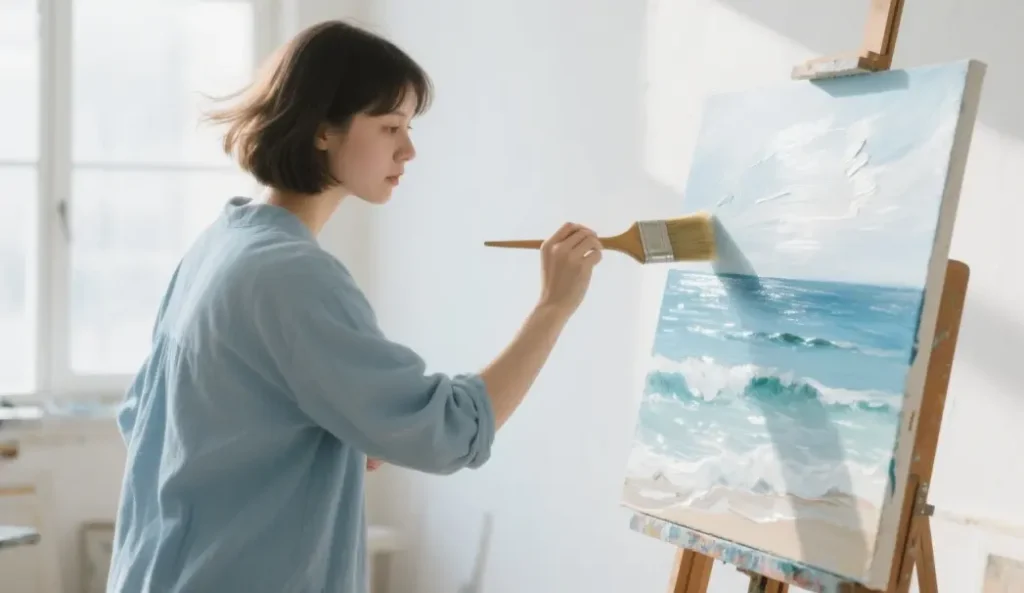
Gloss uniformity: solving the “lack of light” problem
If the picture has “matte spots” (lack of gloss in certain areas) due to thick paint or too little medium used, you can adjust it with the oil replenishment method:
Dilute linseed oil (or oil medium) with turpentine 1:3;
Dip a soft cloth in a small amount of the diluted solution, and gently wipe the “lack of light areas “Wait for 24 hours to let the oil penetrate completely and then polish.
Environmental requirements: dust-free, constant temperature and humidity
Varnish needs to be maintained: temperature: 18-25 ℃, humidity: 40-60%, too low will make the varnish fast drying, leaving brush lines; try to keep a dust-free studio or balcony with a dustproof cloth surrounded by the “temporary space” varnish, to avoid dust sticking to the undried varnish.
Choosing the correct type of varnish
The choice of varnish depends on the style of the work, the state of drying and individual needs. The following is a comparison of common types:
Natural Resin Varnish
Characteristics: Extracted from resin with a long history, it has a high gloss after drying and enhances the “classical feeling” of the picture; however, it is easy to be yellowed (it will turn yellowish-brown over time) and brittle (easy to crack).
Applicable objects: traditional style oil paintings (e.g. classical portraits, landscapes), or works that wish to retain the “old painting texture”.
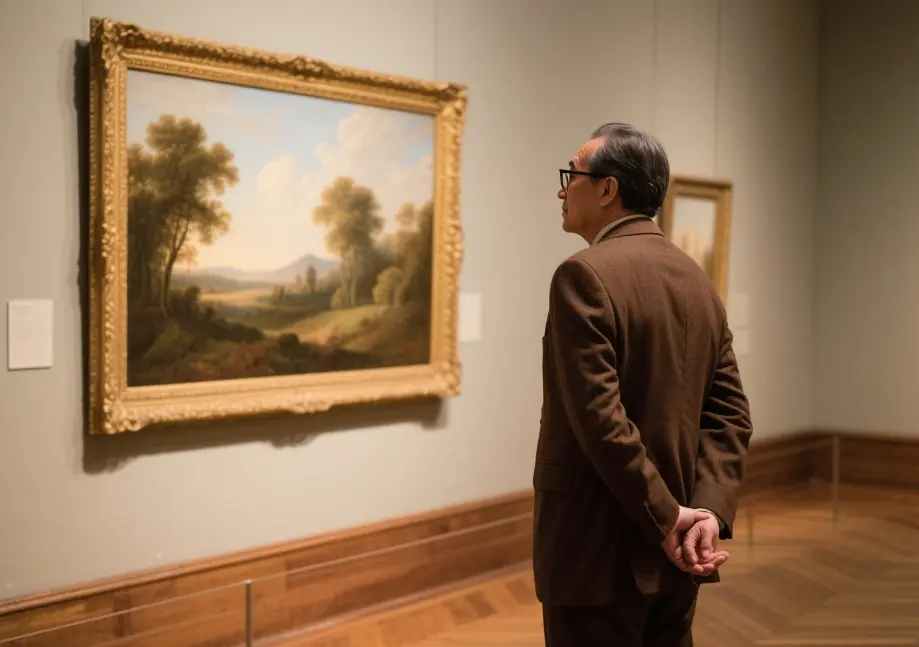
Synthetic / Mineral Varnish
Characteristics: made of acrylic or polyurethane, fast drying (within 24 hours), resistant to yellowing (almost no change in colour), flexible (not easy to crack); available in Gloss, Semi-matte (Satin), Matte (Matt) to meet the needs of different styles.
Recommended products: Gamvar (Winsor & Newton) – Breathable varnish, suitable for thick coats or incompletely cured works, will not hinder the internal drying 3.
Spray Varnish
Characteristics: Spray from a can, even spraying, does not leave brush marks, suitable for thick or unevenly textured images (e.g. Impasto technique); however, it covers a small area and is more costly.
Use tips: After shaking well, move the can 40cm from the screen and spray in multiple layers (3-4 layers) at an even speed, with 10 minutes between each layer.
Basic steps for oil painting varnishing
Whether brushing or spraying, the core principles are thin, even application and avoiding heavy brushing.
Brushing method (suitable for levelling the picture)
Tools: Specialized varnish brush – flat head, soft hair, will not leave brush lines;
Steps:
- Pour the varnish into a shallow dish (avoid pouring directly from the bottle to prevent contamination).
- Dip a small amount of varnish and brush in one direction (e.g., left to right), then cross-brush (top to bottom) to ensure even coverage;
- Apply a thin layer, do not re-brush (re-brushing will blur the undried varnish);
- If there is any leakage of varnish, wait for the varnish to dry completely (more than 24 hours) and then make up for it.
Spraying method (suitable for thick paintings)
Tools: Spray varnish (e.g. Winsor & Newton “Spray Varnish”);
Steps:
- Shake the spray can well (at least 30 seconds);
- 40cm from the screen, move the spray can at an even speed, avoid staying in one place (it will be too thick);
- Spray multiple thin layers (3-4 layers), 10 minutes between each layer (let the varnish dry);
- After spraying, place in a ventilated area and cover with a dust cover (to avoid dust).
- Drying and Dustproofing
Drying and Dustproofing
Brush: takes more than 24 hours to dry completely (48 hours if the temperature is low);
Spray: can be touched in a few hours, but it takes 24 hours to cure fully.
During the drying period, cover the picture with a dust cover (e.g., plastic wrap or a special art dust cover) to avoid dust sticking to the undried varnish.
Maintenance and renovation of oil paintings
Removal of old varnish: Use mineral turpentine or naphtha to dissolve the old varnish layer by layer.
Repeat cycle: It is recommended to change the varnish every few years (5-10 years) to protect the image.
Safe glossing techniques: apply only in a dry environment and pay attention to the oil-out technique (if there is a gloss difference).
Frequently Asked Questions and Answers
Do I have to varnish my oil paintings?
It is ideal to varnish, especially if the work is for collection, display or sale. Varnishing prevents dust build-up, improves colour saturation and evens out the sheen, as well as acting as a protective layer during post-cleaning. However, varnishing is not mandatory and can be avoided if you prefer a natural matte finish.
Does varnishing affect the drying of the paint?
Yes, suppose the painting is varnished before it is scorched, especially with traditional Dammar varnish in the case. In that case, it may be detrimental to oxidation, resulting in incomplete drying or cracking of the oil layer. It is recommended to use a breathable varnish (such as Gamblin’s Gamvar), which allows the pigments to continue to dry and is suitable for oil paintings that are not yet fully dry. Remember: wait at least 6 months before varnishing (12 months is recommended for thicker work), unless you are using a quick-drying medium.
How do I choose the right varnishing brush?
Use a wide-mouthed, soft, flat, specialized varnish brush with natural badger or synthetic soft bristles recommended, and a width of about 2-4 inches is appropriate. Avoid brushes that are too small or too stiff, as they tend to leave brush marks or air bubbles. Clean immediately after use with odourless turpentine or special cleaner and store in natural air.
How can you display varnished work on the wall correctly
Avoid direct light, high temperatures, and environments where these paintings are away from air conditioning vents, kitchen fumes, smoking areas, and other places that are easy to deposit fumes and pollution. You can use a soft brush or a microfiber cloth to gently remove dust regularly.