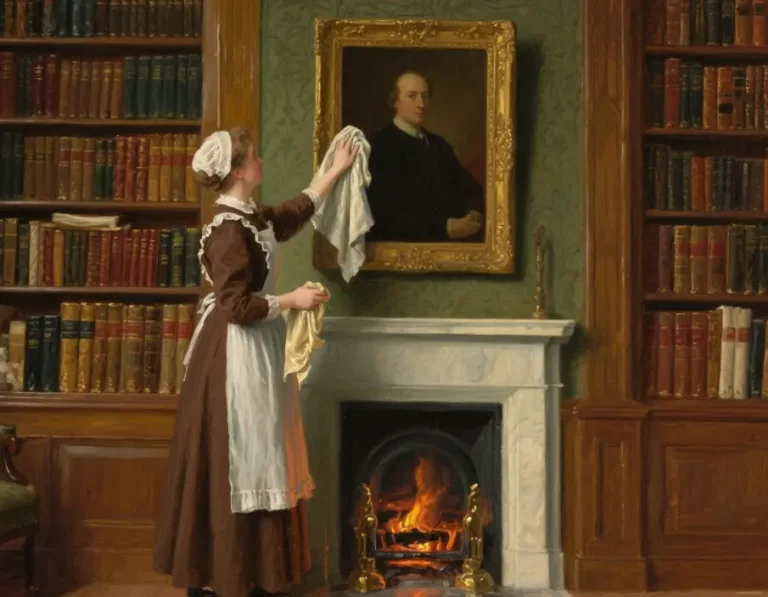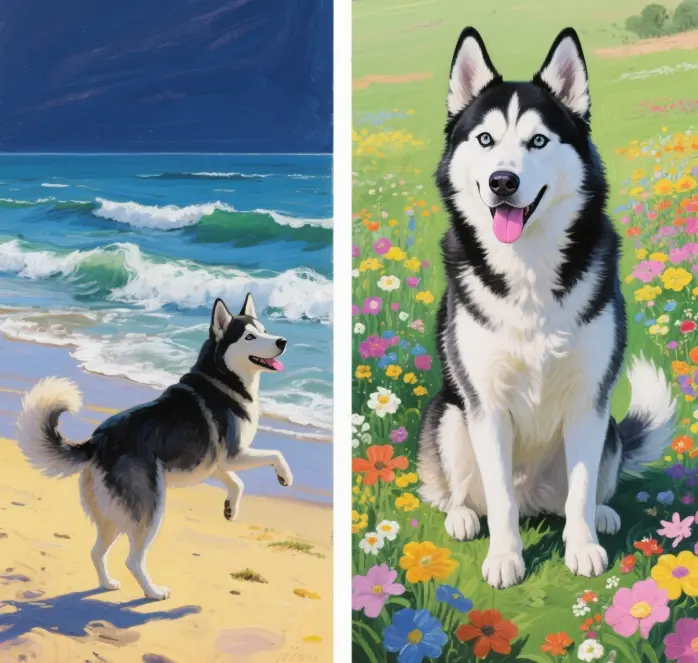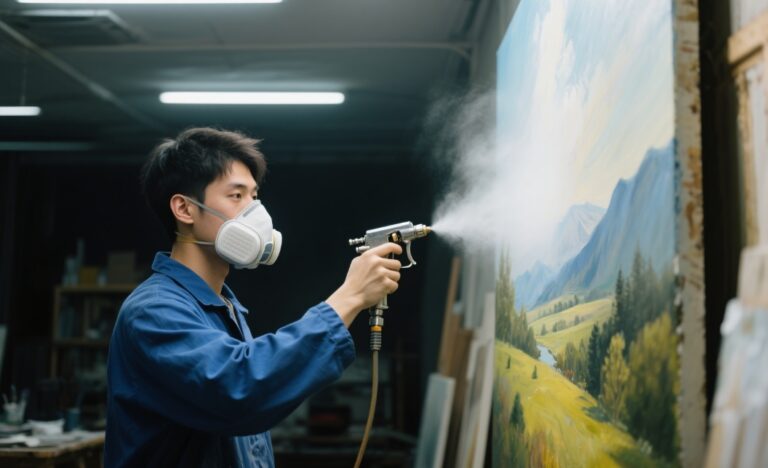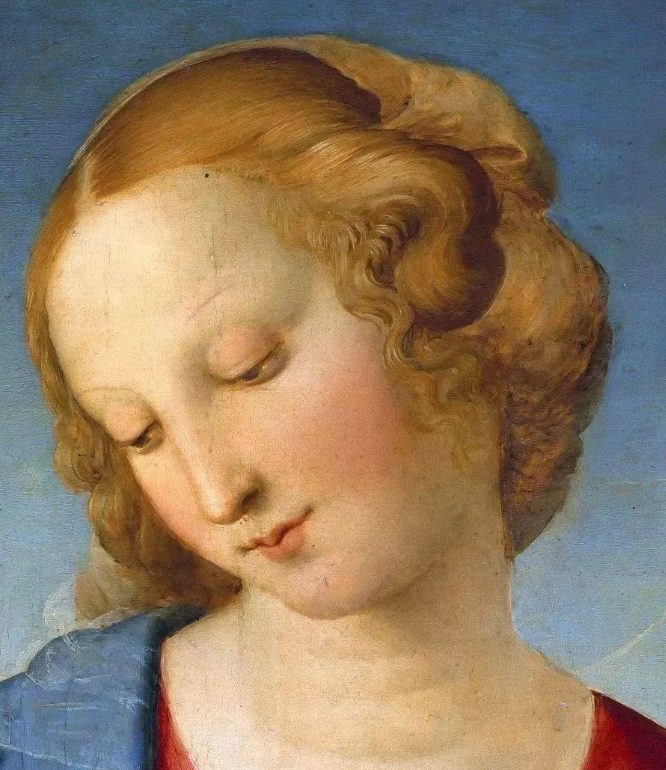
What are some advantages of oil painting? Oil paintings have their roots in the tempera paintings of pre-15th-century European art. It wasn’t until the Netherlandish painter Jan van Eyck combined pigments and drying oils that this “slow-drying” formula truly emerged. I always tell my students that oil paint is like dough; it needs time to dry and harden before it becomes soft and flavorful. As long as you accept that it is slow, you will be able to layer the light, dark and translucent colors step by step, and finally get the kind of image that will “glow on its own” in the light. Linseed oil and walnut oil dry to a steady color and soft luster, and even after decades of viewing, the color temperature that was initially intended can still be discerned. This history sounds complicated, but in fact, the truth is very simple: slow is free; you have enough time to change, and the picture will be deep.
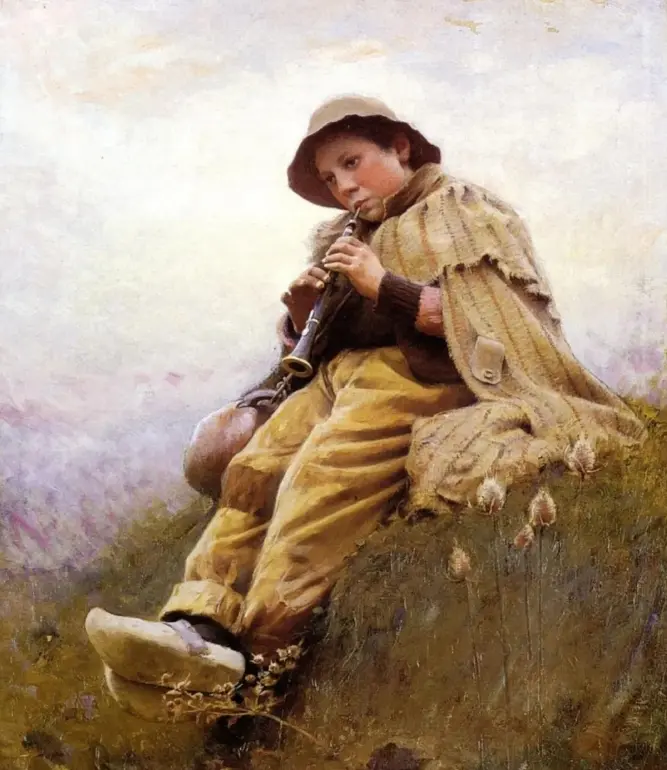
What Are the Advantages of Oil Paint?
Color Expression
I prefer to use an oil color palette because it allows me to layer deep reds, sky blues, and warm grays into the darks, while still being able to spot pure titanium white at the end. Oil pastels are so saturated and transparent that a single gradient may require a dozen light brushes, leaving subtle color differences with each brush. When it dries, the warm tones of the base layer remain, and the cold light on the surface is also bright, an effect of “color in the layer, light in the color” that no other pigment can do. This effect of “color in the layer, light in the color” cannot be done with different pigments. For the audience, they can feel that the picture is “breathable” at a glance, which is the greatest charm of oil paint.
Delicate texture
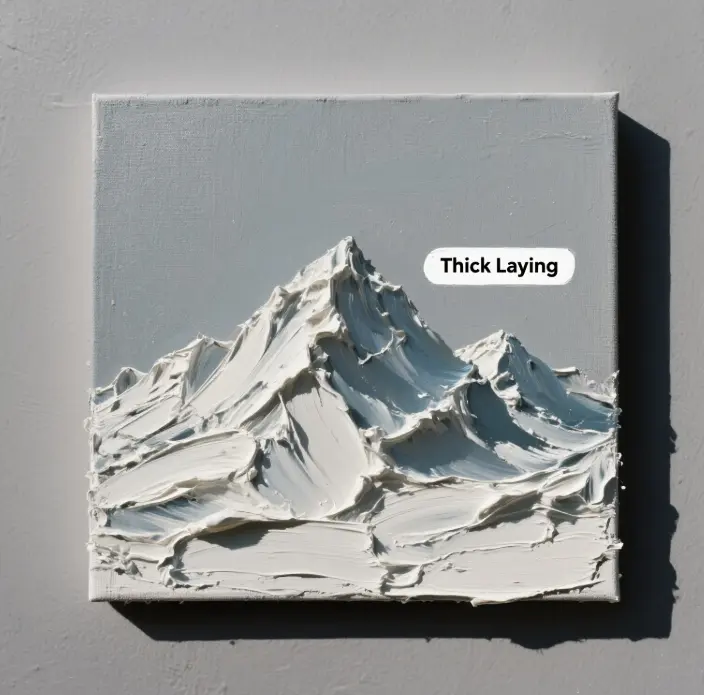
Oil paint dries slowly and is sticky enough, so it can not only “paint”, but also “carve”. A hard hog bristle brush can brush out the rough rock face, while a soft sable brush can be used to sweep out the silk luster. The palette knife pressed out traces that resembled relief; the light hit, and the shadow immediately jumped out. The viewer can “see” the material with their eyes and “feel” the brushstrokes with their heart, a dual experience that is unforgettable.
Layers and Depth
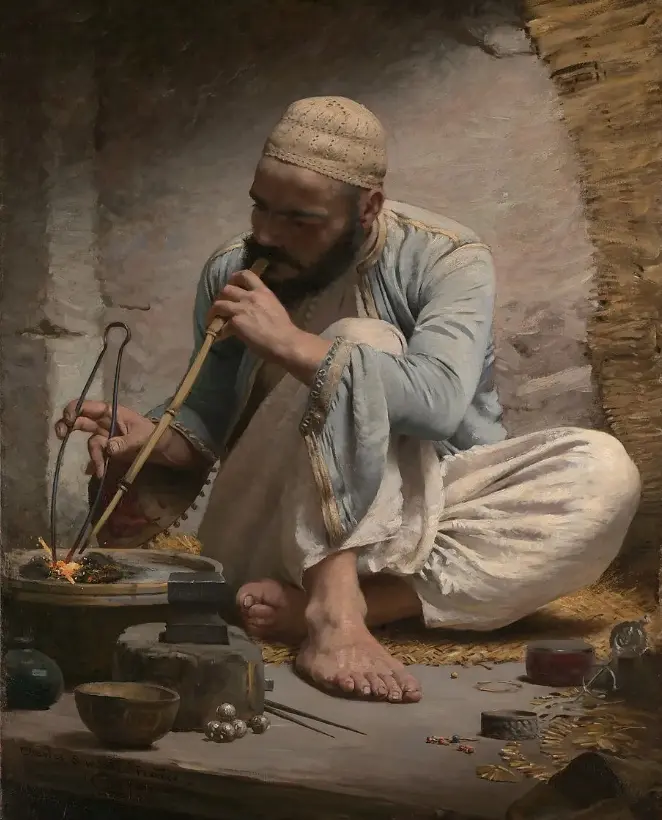
When I paint, I use thin ochre to spread the light and shadow, then apply translucent ultramarine to darken it, and then gradually lighten it and turn it around. Each layer is like adding a piece of tinted glass to the painting, in which the light is refracted back and forth, and the sense of space emerges naturally. Standing far away to see, it appears three-dimensional; up close, the colors seem to breathe.
Durability and Stability
Dry oil oxidizes to form a strong paint film, which helps the pigment keep out moisture and dust. Oil paintings in museums from 300 years ago can still appear bright; this layer of varnish is crucial to their preservation. As long as they are not stored in too much moisture or exposed to the sun, oil paintings basically will not “age badly”.
Emotional Tension
Oil paintings dry slowly, so I have a lot of time to weigh my emotions over and over again. If I feel cold today, I will add some blue; if I want to be warm tomorrow, I will smear some orange; if I am really dissatisfied, I will gently scrape it off with a knife and start again. Each small adjustment leaves a trace, and these layers of traces are the thickness of emotions.
Explore and have fun.
Oil painting is like long-distance running; no step is done in vain. Brushing, scraping, folding, rubbing, every step is an experiment; every rework may unexpectedly reap good results. Often, I realize on the last layer that the base color left by the earlier strokes has just come through, giving the picture a wonderful sense of contrast.

What are the disadvantages of using oil paints?
The fact that colors can be fine-tuned according to the environment, the fact that it takes months for the picture to dry completely, the pungent smell of traditional turpentine, and the fact that the canvas can sag when exposed to moisture – these are the “pitfalls” that I remind my students of in my classes. The solutions are not difficult: choose light-stable pigments, switch to low-odor or solvent-free mediums, maintain a humidity level of 40-60%, and keep the area out of direct sunlight. Thicker coats must be layered, and let the bottom layer harden slightly before applying the next color. As long as the right materials are used and the environment is well-maintained, the shortcomings of oil painting can be mitigated, and the painting will not be compromised.
What are the advantages of oil paints over acrylics?
Acrylics dry quickly and are suitable for same-day work; oils, on the other hand, dry slowly, allowing for the opportunity to rework. While acrylics cannot be changed once they’re set, oils can be scraped and wiped off, and the color can be rubbed in at any time. I trust the slowness of oils when I’m painting figure skin, satin sheen, or large landscapes. It allows the colors to “grow” into what they want to be, rather than being forced by time. When dry, oil paints have a natural sheen and don’t require varnish, unlike acrylics, which are less stressful in the long run.
What are some tips for using oil paints?
Essential oil painting tips for beginners
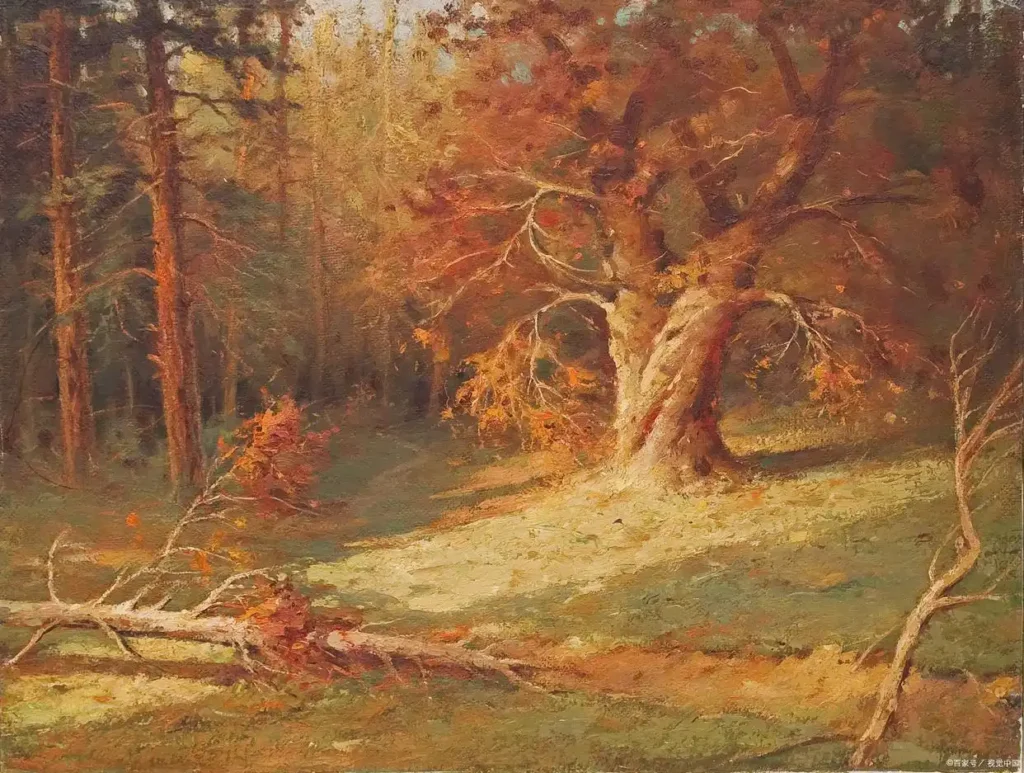
Avoid using multiple colors when you’re just starting. Three primary colors plus white and ochre will be enough for 80% of the scene. The first time you use turpentine to dilute the color, spread out the big light and dark in one breath; the second time you change to a thicker middle tone to shape the body; the third time you use a small amount of highlights and dark seams to finish off, the level is clear but not too heavy. Remember: less squeezing of color, more bold brush strokes.
How to use oil paint to achieve a relief effect
The key to “flesh” is to move the knife. Squeeze the color directly onto the canvas and push out peaks of about 3 mm with the back of the knife. When it is half dry, use a clean, soft brush to lightly sweep the shaded side lightly, leaving the glossy side alone, so that the light will give it a three-dimensional appearance. For a harder texture, mix a small amount of molding paste into the paint.
The importance of layering in oil painting
Depth in oil painting comes from “breathing”. Thin and then thick, dark and then light, each layer should give the upper layer a grip. The bottom layer determines the color tone, the middle layer sets the volume, the top layer adds light, and finally, a thin layer of varnish unifies the color tone again, making the picture immediately bright.
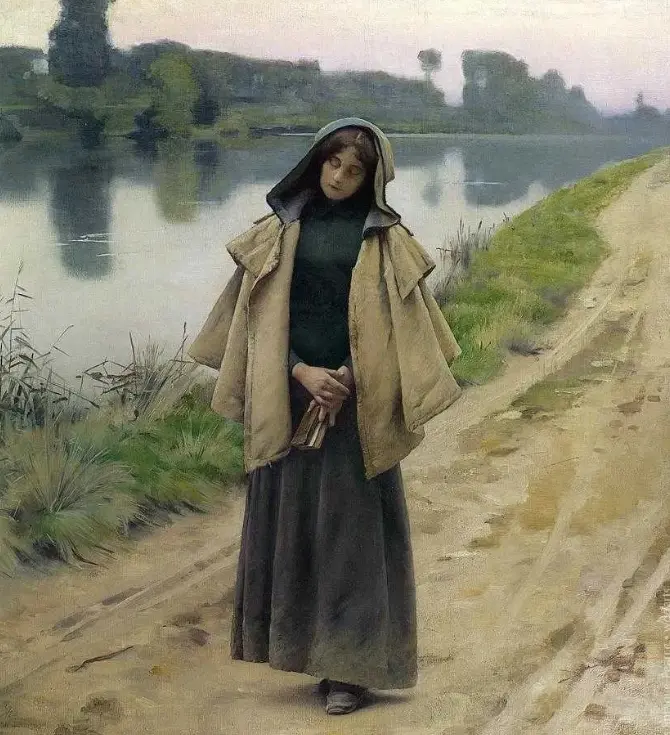
What materials are needed for oil painting?
Understanding the different types of oil paints
Natural mineral powder has a warm color tone, while synthetic pigments are highly saturated. Linseed oil yellows quickly and dries quickly, walnut oil yellows less and dries steadily, and poppy oil is the least yellow but dries the slowest. According to the theme and time to choose from the line, such as painting portraits, I use walnut oil, while painting landscapes requires linseed oil.
Necessary tools: palette knife and oil paintbrush
Straight-edged knife to lay a large surface, curved edge carving curve, bristle brush brush texture, sable brush sweep transition, rayon durable and cheap. The key is to be familiar with the tools.
Choosing the right canvas for oil painting
Cotton canvas is delicate and suitable for small still-life pieces; linen canvas is sturdy and ideal for large, thick paintings. The acrylic base layer dries quickly with a flat surface, while the oil base layer has a deep sheen, allowing you to wait a little longer, depending on the effect you want.
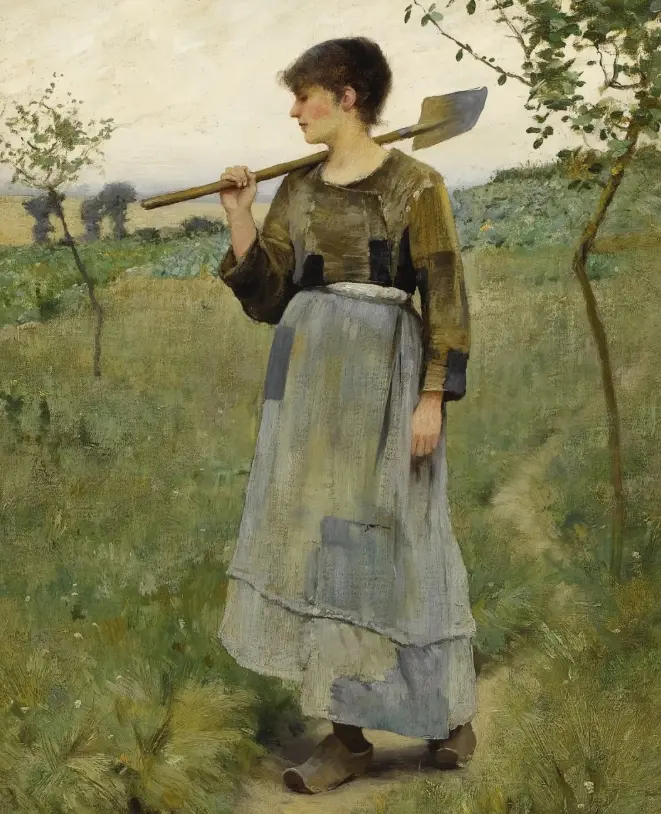
How to take care of oil paintings?
Best practices for storing oil paintings
The room temperature shouldn’t exceed 25 ℃, the humidity should be between 40% and 60%, the painting should be placed vertically with a foam pad behind it to prevent it from touching the picture, and it should be kept out of direct sunlight. Don’t let direct sunlight hit it. This way, the painting can be stored for ten years without fear of damage.
How to keep the color of oil painting alive
Apply varnish after about half a year, when the picture is hardened. The varnish should be applied thinly to brighten the dark areas and to prevent the gray from showing through. When you move the painting, wrap it in acid-free paper, pad the corners with foam, and then place it in a hard-shell box, so you can rest assured that the road will be smooth.
Cleaning and preserving oil paint on canvas
Normally, use a soft duster to sweep the dust gently; do not use a wet cloth. If you have oil stains and mold, don’t attempt to remove them yourself with alcohol; instead, consult a professional restorer. Spend some money and save a painting.