Slow-drying oil paintings because the dry oils in them (such as linseed oil and walnut oil) need to react with the oxygen in the air to form a solid film of paint, rather than relying on water to evaporate like watercolor does. This reaction is slow, especially if the weather is wet, the temperature is low, or the painting is too thick. There are several ways to accelerate the drying of oil paintings. We can achieve this by selecting the right colors, utilizing the appropriate tools, and managing the environment. Making the drying process faster is not difficult. For example, using fast-drying colors (such as ochre and ultramarine), adding fast-drying mediums to the oil painting (like Alkyd), applying thinner paint, and keeping the room ventilated and at the right temperature can help the oil painting dry faster. Other things to keep in mind are not to use a hair dryer or expose it to direct sunlight to dry, as these can harm the painting. Water-soluble oil paints can also be considered; they dry quickly, but are not as well-preserved as traditional oil paintings. Comprehensive recommended solution: fast-drying colors, fast-drying media, fast-drying solvents, and a good environment. It dries quickly and does not affect the picture quality; the specific details are described below.
Pick the right color, and it will dry fast
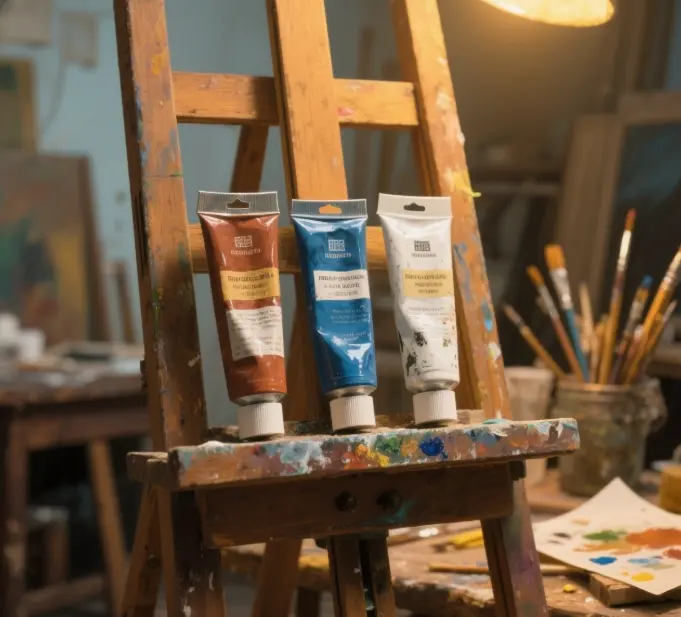
What colors dry quickly?
Mineral pigments such as ochre, ultramarine, and titanium white dry relatively quickly, usually within 1 to 3 days of surface drying. On the other hand, colors like cadmium red, cobalt blue, and zinc white are particularly slow drying, and some of them may not even be dry in 10 days. Mineral pigments contain ingredients that help the oil oxidize faster, but some colors (such as traditional lead white), although fast-drying, contain harmful substances and should be used with caution.
What other fast-drying pigments and methods can be used in addition to your pigments?
Winsor & Newton’s Griffin Alkyd series: These are quick-drying colors that are ideal for layering and rushing.
Gamblin 1980 series: Stable color and fast drying, good price/performance ratio.
If you’re on a budget, you can use student-grade, fast-drying colors (like ochre and titanium white) for the base layer, and professional paints for the details on top.
Add some medium to your oil painting to help speed up the drying process.
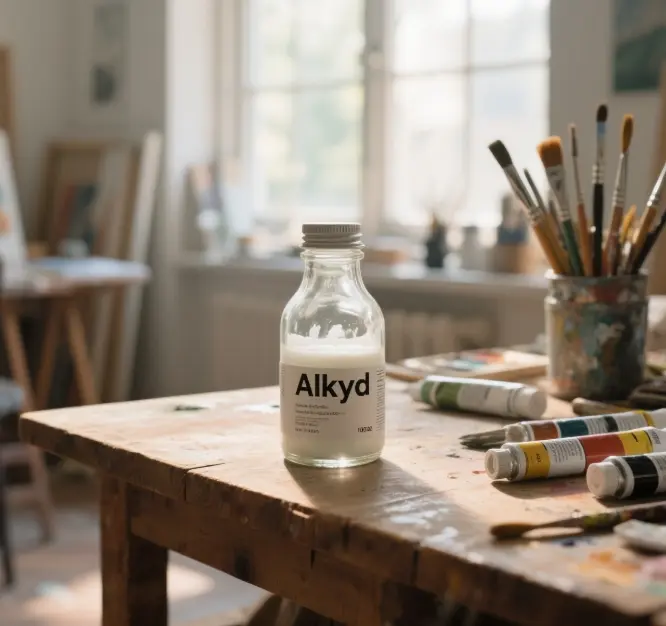
Alkyd Medium
This is a quick-drying resin that, when mixed with pigment, can be dried within one day, saving time and effort. It is recommended to add 10% to 20% of the paint volume; do not add too much, as this can cause the picture to become brittle.
Should I use linseed oil or stand oil?
Standing oil is oxidized linseed oil that dries faster than ordinary linseed oil, making it suitable for the bottom layer of primer or as a cover color dye. Ordinary linseed oil is a little slower, but the color is stable, making it ideal for yellowing-sensitive images, such as those with a white background.
Solvents can also accelerate surface drying.
OMS (Odorless Mineral Oil): dries quickly, has minimal odor, and is suitable for indoor use.
Sansodor: a gentler option, suitable for novices.
When using it, generally control the amount to 5% to 10% of the total pigment. Excessive use can cause the pigment to “powder off” and fall off.
We can also use these techniques in painting to dry quickly.

Thinly applied paint dries faster.
Oil paintings that are too thick will definitely dry slowly, but if you paint thinly, the air will easily seep in, and it will dry two or three times faster. Remember the principle of “thin base and fat surface”: use thin pigment with less oil and solvent for the base layer, and apply thicker fat pigment on top, so that it won’t crack easily.
Painting in sections + drying in sections
You can paint the background first and wait for the fast-drying areas to dry before painting the subject or details. You don’t have to wait for the whole painting to dry together, and it’s less likely to get dirty.
Control the temperature and ventilation in the painting room
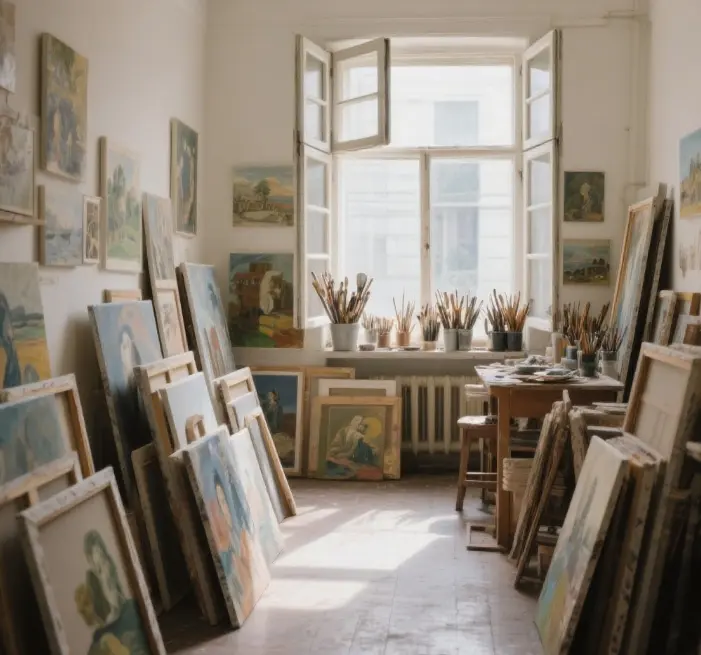
The room temperature should be maintained at 20-25℃.
If the room is too cold (below 15℃), the oil will dry very slowly. If it is too hot (over 30 °C), the surface may become hard, while the inside remains moist. You can turn on the air conditioner to adjust the room’s temperature and avoid blowing hot air directly onto the painting.
Good ventilation can also speed up the drying process
Whether the painting dries quickly or not, and whether there is enough oxygen, are the key factors. Open windows and fans can help, but avoid blowing directly on the painting to prevent skinning or dusting.
Water-soluble oil paint: Is it fast-drying and suitable for beginners?
- These oil paints can be diluted with water, dry quickly, and work like acrylics, but retain some of the characteristics of oil paint. Brands represented include Artisan by W&N and Aquafine by Daler-Rowney.
- Advantages: fast drying, no odor, brushes are washable.
- Disadvantages: less glossy, suitable for practicing and teaching, but not ideal for long-term preservation.

These methods are not easy to use, will only harm the oil painting, and you need to pay attention to
- A hairdryer directly blowing on paintings: the surface is dry, but the inside is still wet, making it easy to crack.
- Exposing it to the sun: High temperatures and ultraviolet rays will cause the color to fade and deform the canvas.
- Too much oil or prolonged stirring of pigment can affect the contact between the pigment and the air, and the more you stir, the wetter it will become.
- Zinc white base: This color absorbs a lot of oil and dries slowly, causing the top layer to “float”.
The recommended combinations for fast-drying oil paintings are as follows:
For example: cooked ochre (fast-drying color) + 10% Liquin + 5% Sansodor, keep the temperature at 22℃, humidity at 50%, good ventilation in the house to keep the air convection, so that the picture will be dry in about 8 hours, and can be completely hardened in three days.
It is suitable for display, teaching, or urgent orders, and when you need to complete a picture temporarily, it dries quickly and steadily.
Combined with the painters’ practice, if you want to make the oil painting dry fast, you don’t need to rely on “fierce moves”, but on a steady method. As long as you choose the right color, adjust the medium, and control the environment, you can help improve the drying speed of oil paintings quickly. Whether you’re a novice or a professional in a hurry, I believe you can find a way to suit your own pace.