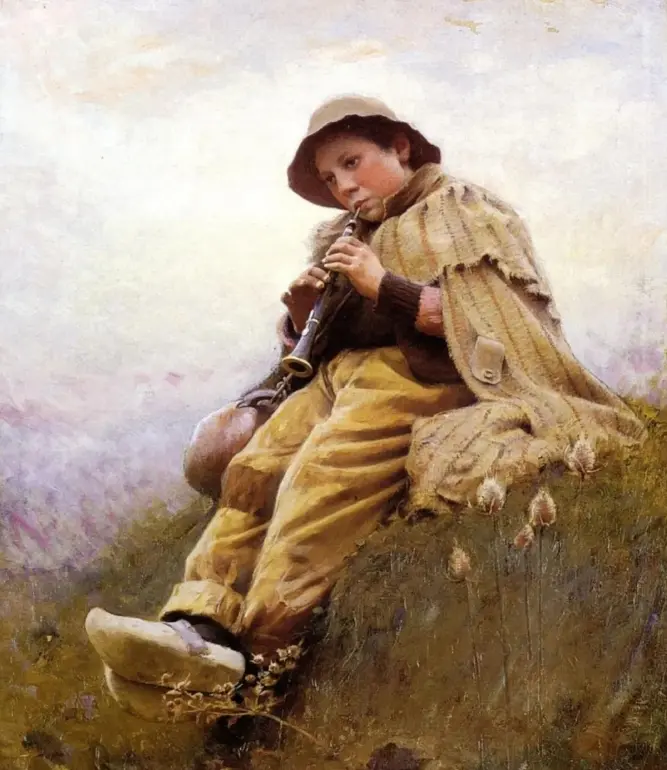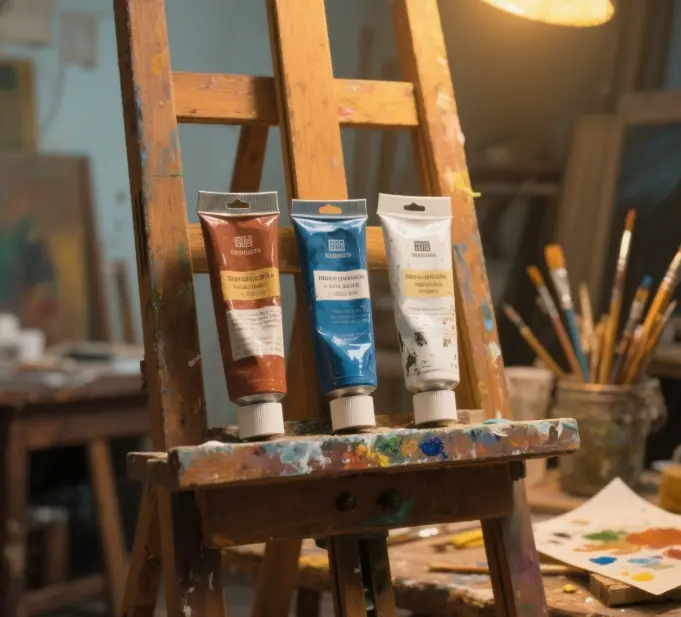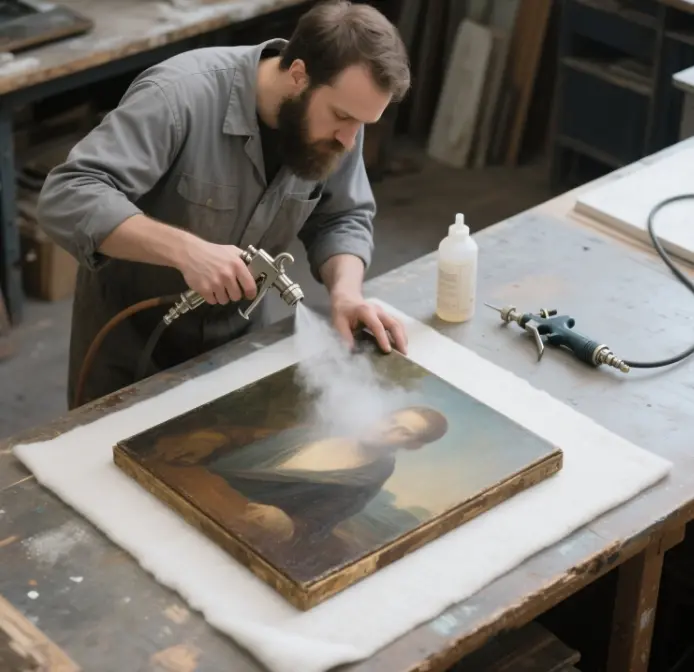
For over five centuries, oil paint has been the dominant medium in the world of easel painting. It is no accident that it has achieved this status. The chemical properties of the material, its handling, and its durability over time have solved all the problems that other media – especially tempera and fresco, as well as modern synthetic pigments – have failed to solve. Next, let’s examine why oil paint remains the preferred medium of countless artists and assess its strengths and challenges from a professional and authoritative perspective.
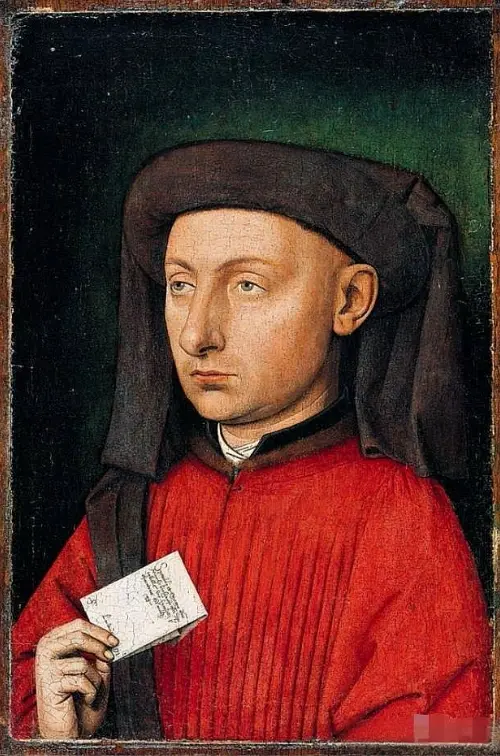
What Makes Oil Paint the Dominant Medium in Easel Painting?
Modern conservation information, in fact, confirms the experience of artists in the studio for many years: oil paint in the subject matter, scale, and technique, which cannot be described. Look at tempera; it’s so fast that you can’t change it if you make a mistake. Oil paint, on the other hand, can be worked with for hours, even days, allowing the artist to refine it repeatedly. It dries slowly, allowing the artist to blend in the wet areas, achieve the perfect color tones, and create natural transitions of light and shadow. In easel paintings, when you look closely, imperfections can’t be hidden, and it’s because oil paint has these skills that it’s especially favored.
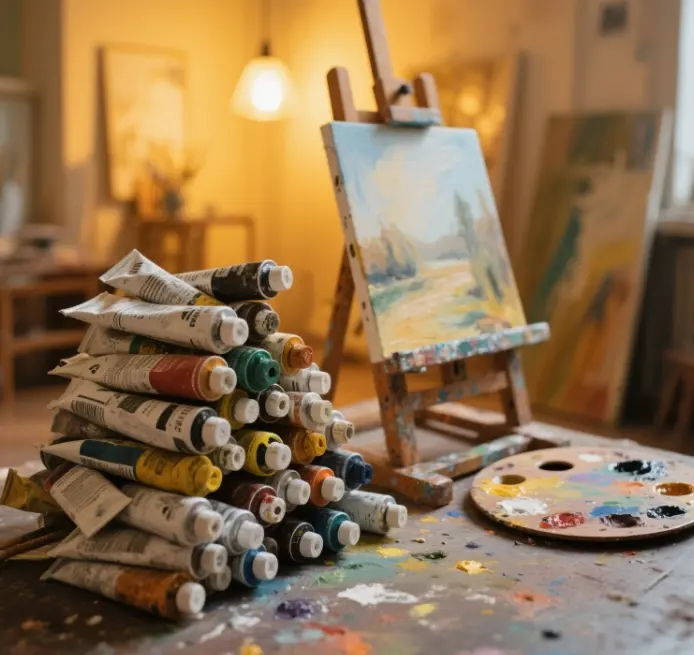
How Oil Paint Allows for Blending Colors and Subtle Portrayal
The pigment assumes a creamy texture when suspended in linseed or walnut oil, enabling the artist to blend colors easily on the canvas. In this way, subtle changes in light, rich midtones, and hazy atmospheres can be brought to life in a way that fast-drying acrylics can’t even come close to. Each layer of translucent paint dries, and then another layer is added on top, a classic overdyeing technique that adds vibrancy and depth to the colors.
Understanding the Flexibility for Blending Colors
The molecular structure of oil paints polymerizes slowly, allowing the painting to continue on a wet spot without destroying previous strokes. This flexibility of color blending provides for the use of thin and thick coats, as well as a variety of in-between techniques, concurrently giving the artist a wealth of expression within a single palette.
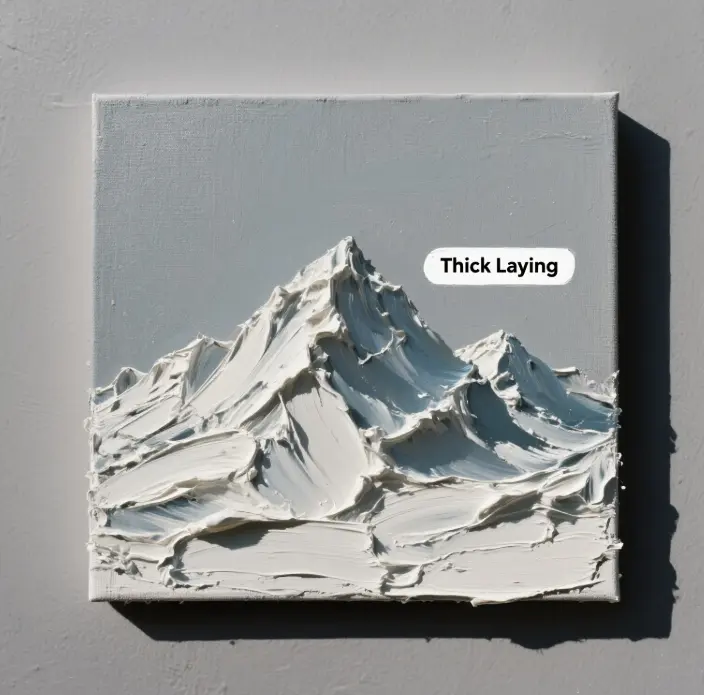
The Role of Texture in Oil Painting
Oil painting is capable of creating thin, cicada-like layers as well as piling up knife-edge bumps, and it excels at capturing physical texture and optical color. Take the portraits of Rembrandt’s mature period, with their fine highlights falling on velvety shadows, and the perfect combination of detail, realism, and tactile sensation, which has made oil paintings a dominant force in easel painting.
How Did Oil Paint Become the Medium of Choice During the Renaissance?
The Transition from Tempera to Oil Paint
Early Renaissance panels were painted with egg tempera, a medium that dried quickly and could not be corrected if mistakes were made. This method was fine for flat icons with golden backgrounds, but was limited in its ability to express light and texture. When northern masters used cold-pressed linseed oil as an oil paint, they found that they could produce smoother gradations and richer, deeper colors. Painters in southern Italy soon followed suit. By 1500, oil painting had replaced tempera as the dominant painting medium in Europe.
Influence of Renaissance Artists on Oil’s Popularity
Names like Da Vinci, Titian, and especially Rembrandt put oil painting’s ability to represent lifelike skin on full display. Their success led to studios from Venice to Delft adopting the medium. Oil painting became so popular that it became the material of choice whenever the subject matter required atmosphere, drama or realism.
Why Do Artists Favor Oil Paint in Easel Painting?
The Versatility and Flexibility of Oil Paint
The rheological properties of oil paints can be adjusted: a little solvent creates fine lines, a little wax yields thickly painted peaks, and a little alkyd resin alters the drying time. This adjustability explains the popularity of oils in all types of painting – from delicate still lifes to spontaneous abstractions. Simply put, oil paints offer the most flexibility when it comes to creating a story on canvas or panel.
Ability to Create Realistic Artwork with Precision of Detail
Because the binder of oil paint refracts very little light, it is possible to paint brushstrokes thinner than a hair’s breadth, with astonishingly precise detail, preserving even fine lines and subtle shades of light. Overstaining, mixed with earth pigments, adjusts light and dark without destroying highlights, allowing artists to paint with oils as photo-realistically as they did before the invention of the camera.
How Oil Paint Offers Striking Color Choices
Oil paint can carry a high concentration of pigments, often mixed to create amazing colors, such as ultramarine blue, vermilion, and emerald green, which remain vibrant for decades. Its powerful film-forming properties protect the color layers, allowing the tonal color choices to last for a long time.
What Challenges Come with Using Oil Paint as a Medium?
Addressing the Slow Drying Time of Oil Paint
Oil paint dries slowly, which is both what makes it flexible and what makes it a headache. You have to find a dust-free place to store it after a few layers, and thickly painted sections can take weeks to dry. However, a judicious use of drying agents or modern alkyd resins will solve the time problem without compromising quality.
How Oil’s Slow Drying Can Be an Advantage
It’s amusing to say that slow drying is actually an advantage: wet layers of paint can be modified, blurred, or recolored. Where it isn’t easy to make adjustments in a water-based medium, oil paints allow the artist to work over and over until every detail is perfect. If the tempera dries quickly and mistakes can’t be corrected, the slow-drying process of oil paint allows the artist to take their time to polish the work.
How Does Oil Paint Solve the Limitations of Other Media?
The Wide Range of Artistic Effects Offered by Oil Paint
Oil paints can be applied in thin layers to create a jewel-like sheen, as well as by scraping off the highlights to reveal the brushstrokes underneath. They can produce a variety of effects ranging from bright, overdyed colors to rough, thick coats. These variations can switch between delicate and rough, vibrant and hazy, enhancing the atmosphere of the picture.
Comparing Oil Paint to Egg Tempera and Synthetic Media
Egg tempera: dries quickly and is difficult to correct mistakes. It’s fine for painting flat icons with gold backgrounds, but not for three-dimensional light and texture. It also cracks easily on large canvases.
Modern synthetic materials (such as fast-drying acrylics) offer durable but matte colors, which can be enhanced with overdyeing techniques that also require the addition of media. These materials produce bright colors, but they can sometimes be very brittle. The reliance on toxic solvents is decreasing as water-soluble materials become more prevalent.