If you’ve always been interested in oil painting but felt that the threshold was too high and there were too many tools to know where to start, don’t worry – this article is for you. You don’t have to be an art student or have great skills; as long as you’re willing to get your hands dirty and give it a try, oil painting is actually a particularly suitable medium for newbies to get started. The paint dries slowly, there’s plenty of room for modification, and the results are often stunning!
In this post, we’ll discuss how to choose materials, prepare the canvas, mix paints, and layering techniques, as well as offer some simple yet practical tips for getting started with oil painting for beginners. Follow this order, and you’ll be able to open the door to oil painting in no time!
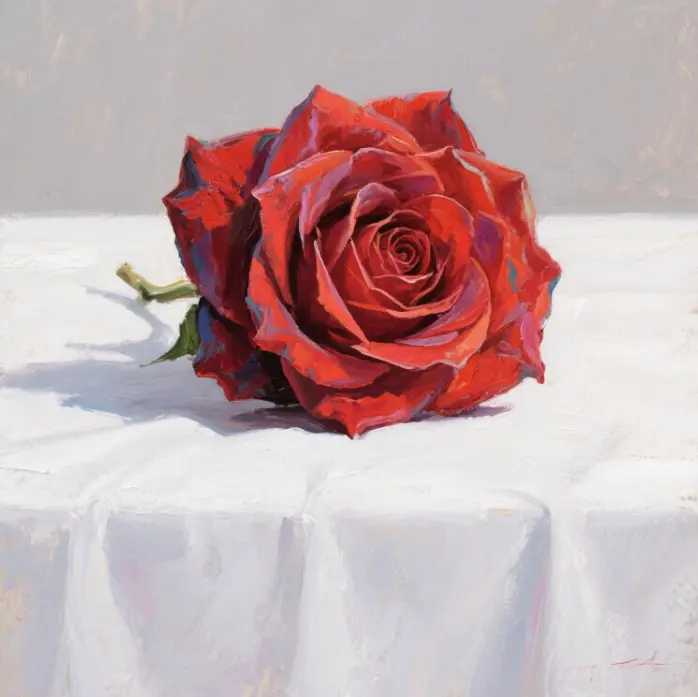
Why is oil painting suitable for beginners?
Plenty of room for modification
Oil paint dries slowly, which means you have time to think, make adjustments, or even scrape it off with a palette knife and start again. This “reversibility” makes it more forgiving than watercolor or acrylic and more suitable for practice and experimentation.
Rich colors
The colors in oil painting are vibrant, with a strong sense of depth and layering. Even if it’s your first time painting, you can create a very atmospheric work.
Expressive
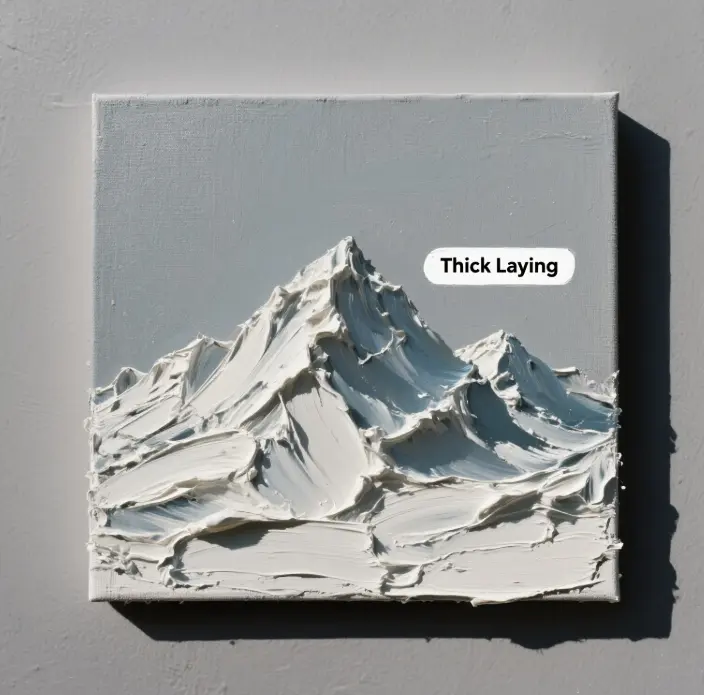
You can use a thin layer of primer, or you can use a knife to scrape out a very thick texture. The painting style can be delicate or wild, very free.
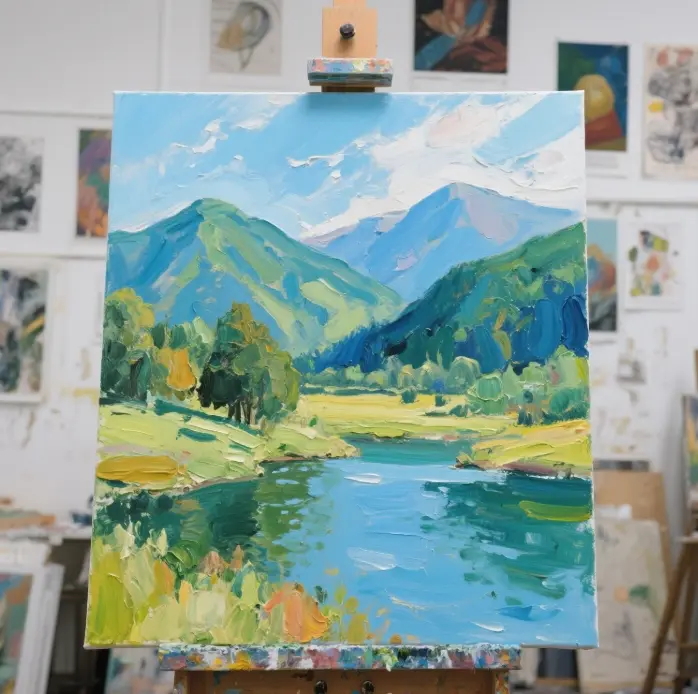
What’s the best way to choose your starter kit? Don’t skip this list
There’s no need to buy very expensive materials at first. Buy the right basic gear, and you can start practicing without spending a lot of money.
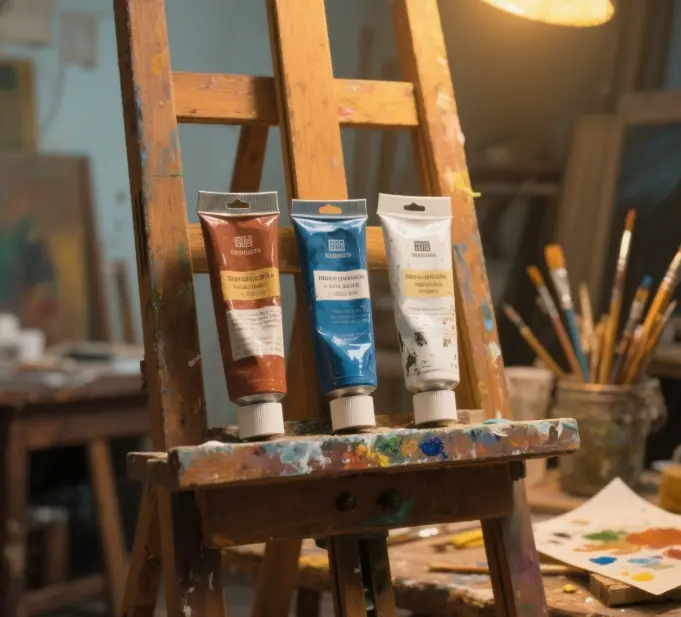
Oil paints
It is enough to start with the basic colors, and the following colors are recommended:
Titanium White, Ivory Black, Ultramarine blue, Phthalo blue, Cadmium red or vermilion, Permanent Rose, Cadmium Yellow or Lemon Yellow, Burnt Ochre, Scorched earth or raw brown
Oil Paint Brushes
You don’t have to buy the whole set; select a few different sizes of flat and flat-tipped brushes to get started. Hog bristle brushes are strong and durable, and synthetic fibers are softer and smoother, depending on which feel you prefer.
Oil on canvas
Pre-stretched, pre-primed canvas or canvas board is most recommended. Cotton canvas is inexpensive and readily available, while linen is more specialized but slightly more expensive. The texture of the canvas can be coarse or fine, so if you’re painting in detail, we recommend “fine grain.”
Medium & Thinner
The pigment is thick when squeezed out of the tube, and you will usually need to thin it slightly. Two common methods:
- Solvent-based: such as mineral spirits (like Gamsol) or low odor turpentine. Be cautious not to use industrial solvents from the hardware store, as they’re not suitable for prolonged exposure.
- Oils: such as linseed oil, walnut oil, poppy oil, etc. Oils make the pigments moister and brighter, dry more slowly and are suitable for overlay painting.
- Blending mediums, such as Liquin, which increases fluidity, dries faster, and also improves gloss.
Other tools needed for oil painting
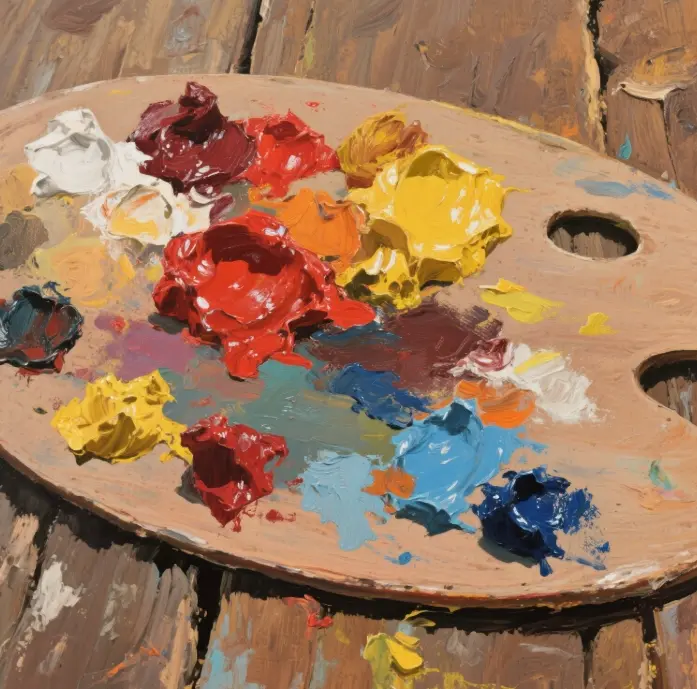
- Color palette (wood, plastic or disposable cardboard are fine)
- Palette knife (to mix colors or paint directly)
- Rag or kitchen paper (to clean brushes)
- Brush cleaning can (old canning jars work well)
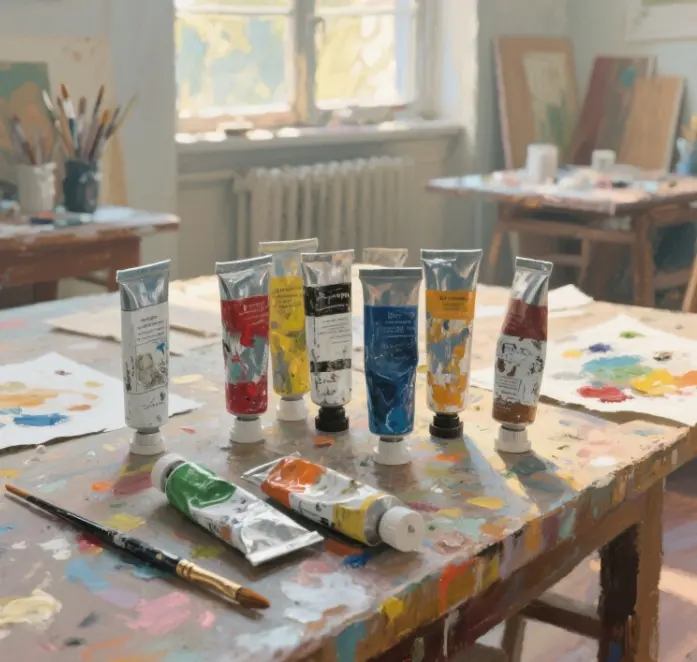
The right way to use a canvas
The right way to use a canvas
Purchased canvases are usually coated with an acrylic primer, allowing you to start painting straight away. If you apply it yourself, you can use two to three coats of acrylic gesso. When it dries, lightly sand it with sandpaper for a smoother feel.
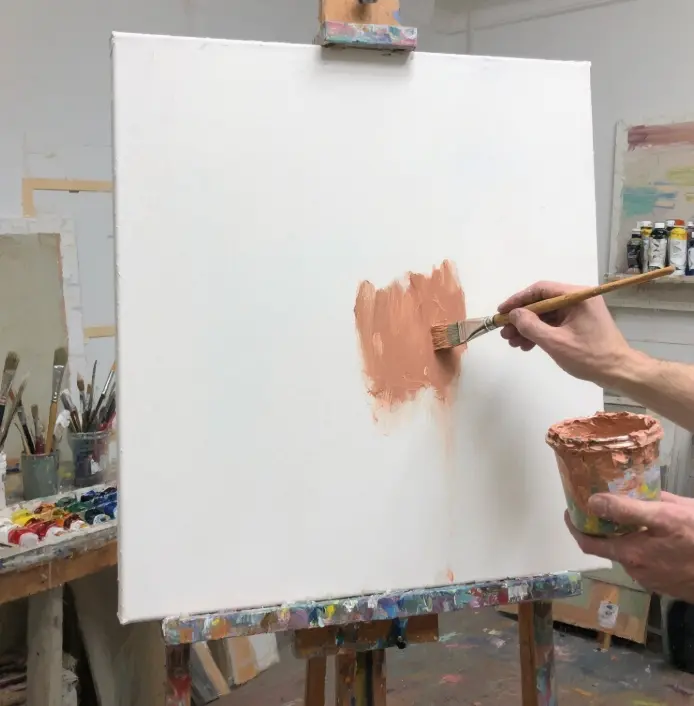
Priming the canvas base color
Don’t start painting directly on a white canvas; too bright will affect your ability to judge the color. It is recommended to apply a layer of neutral tones, such as light brown or grayish purple, and then paint after it has dried.
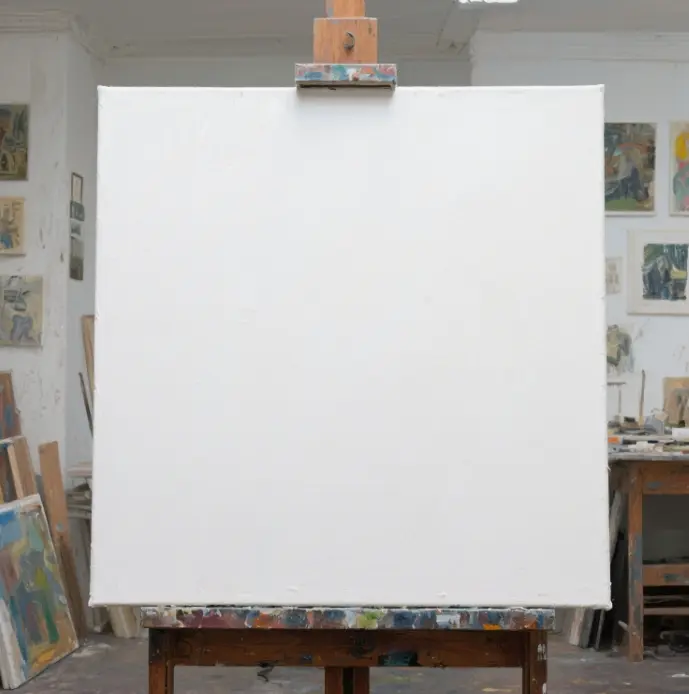
There are several ways of painting oils: pick your favorite rhythm
One of the techniques of painting oil painting wet (Alla Prima)
Paint in one go; don’t wait for it to dry, one breath at a time. It’s good for quick practice, catching the atmosphere, and practicing your hand. It can be done in a quick sketch style or handled with great detail.
Painting Oil Painting Technique No. 2 Layering (drying in stages)
This is more traditional, where each layer dries before painting the next. The advantage is that you can take your time sculpting the details and still keep the image neat.
Recommended steps:
- Paint the background color
- Make shapes (you can sketch with pencil, charcoal or diluted paint)
- Build up the base color layer (e.g., ochre grey tone to lay down the light and shadow first)
- Add color, light and texture layer by layer
- The last layer to strengthen the thick paint, detail highlighting
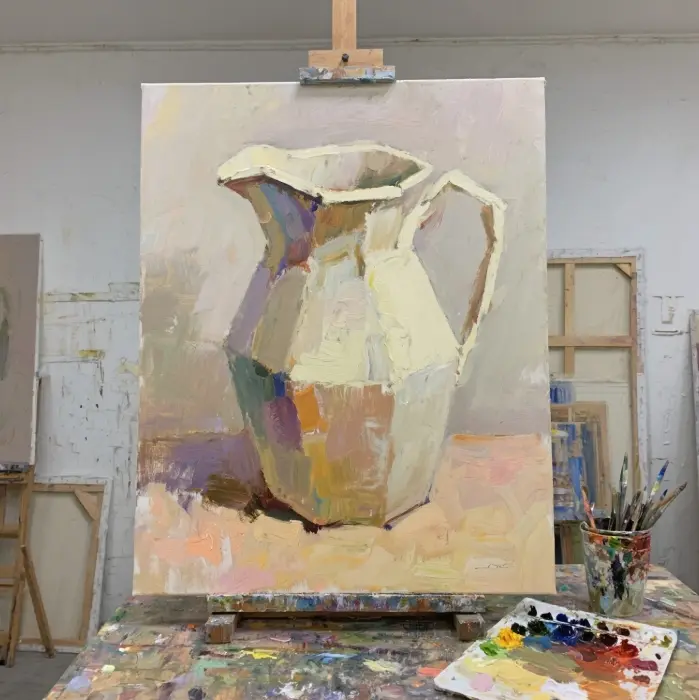
Before the serious opening of the painting: a few tips that the novice must know
“Fat over thin,” you must remember!
This oil painting is in the “iron law,” meaning:
The further back the layer is painted, the more oil there is and the slower it dries.
Otherwise, what will happen? The picture will crack! It’s like dried mud; the surface is dry, but the bottom is still damp. Once pulled, it will crack.
So:
- Add some solvent to the first layer. Thin it out.
- Then, layer by layer, a little more oil each time.
- Thick, heavy, moist for the last
“Thin coat for foundation → thick coat for highlighting.”
Don’t just squeeze a bunch of paint on.
First, use a thinner pigment to build a base and lay a general tone. Once you have finished laying out the contours and large structures, then strengthen the details in the local area, thicken them, and brighten them. That way, the layers come out.
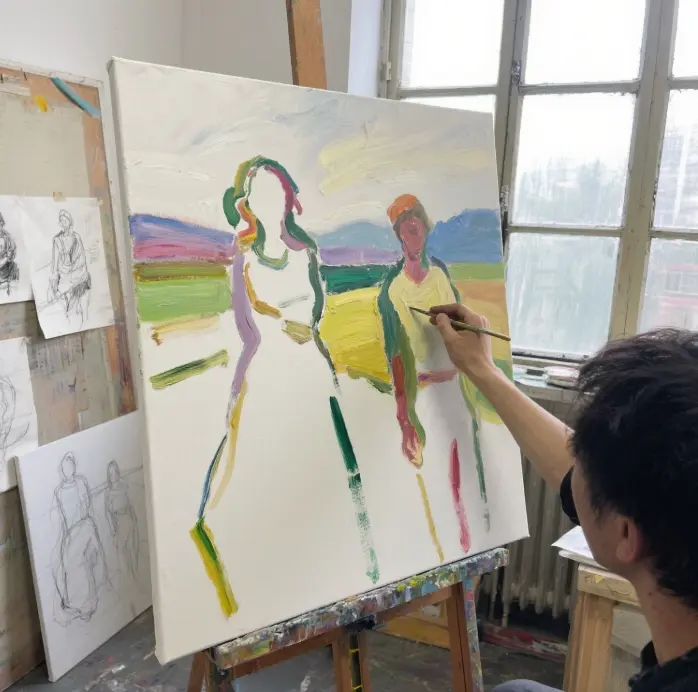
What to do with the base layer?
There are different ways you can lay down a “base layer”:
Grisaille
Start with black and white or cool gray to create the relationship between light and dark. This is good for detailed, structured drawings.
Color Sketch Priming
Outline with diluted colors to set the composition first, and then slowly overlay the colors subsequently.
Closed Grisaille (Closed Grisaille)
Drawing a completely black-and-white layer first and then overlaying the colors after it dries can help retain a very stable structure.
How do you mix colors without making mistakes?
Mixing colors is not difficult, but there are a few pits not to step on:
- Don’t squeeze too much pigment at once; it will be dry and wasteful.
- Color arrangement from cold to warm, this color mixing more intuitive
- Cover the palette with plastic wrap to prolong the paint’s life.
- Oil painting dries slowly and can be mixed in stages, while painting and replenishment.
Brushes and coloring techniques
Brush choice: Hog bristle brushes are suitable for dry brushing and laying down large blocks of color, while synthetic fibers are better suited for details. Remember to wash your brushes frequently, as the bristles will clump together if not.
Palette knife: not just for mixing pigments, but also for directly applying color, especially suitable for thick painting styles, allowing for a very nice texture to be scraped out.
Silicone tools: Newbies can try silicone brushes for flattening or creating interesting textures, which is quite fun.
Don’t rush this varnish thing.
Oil paintings can take months or even a year to dry. Traditional varnishes are applied when the painting is completely dry. However, there are fast-drying varnishes (like Gamvar) that allow the painting to be applied months in advance. The effect is:
- Increase color saturation
- Protect the image from dust
- prevent oxidization and discoloration
You don’t need expensive equipment or special gifts. All you need is a brush, some paint, and the desire to try. Every oil painting enthusiast starts with the first brush.
Now, get your canvas, paints and palette knife ready and start your oil painting journey today.